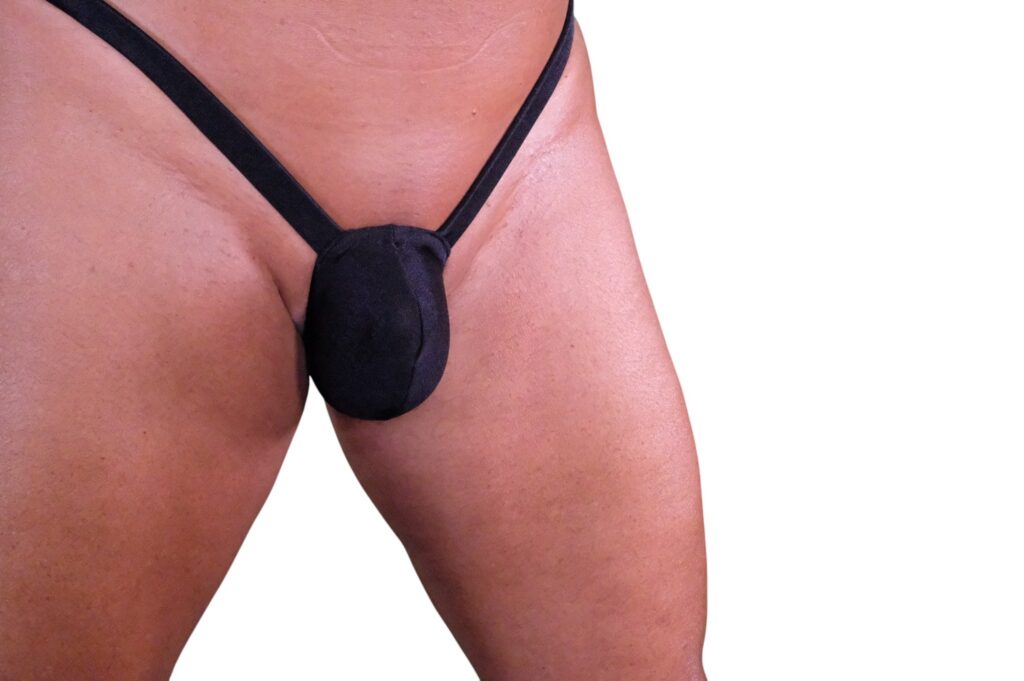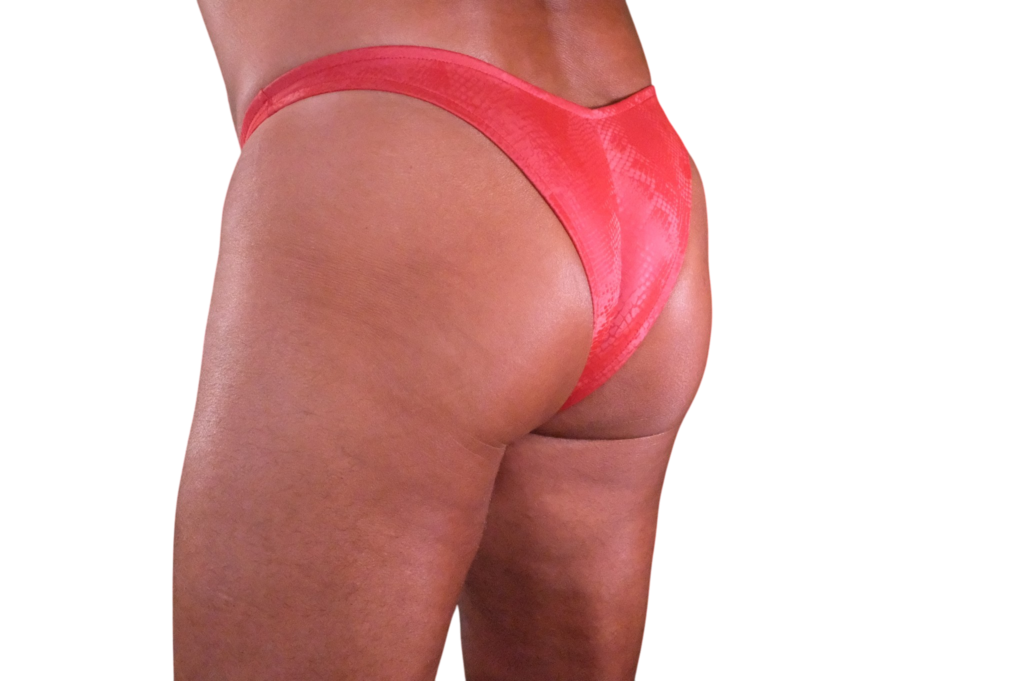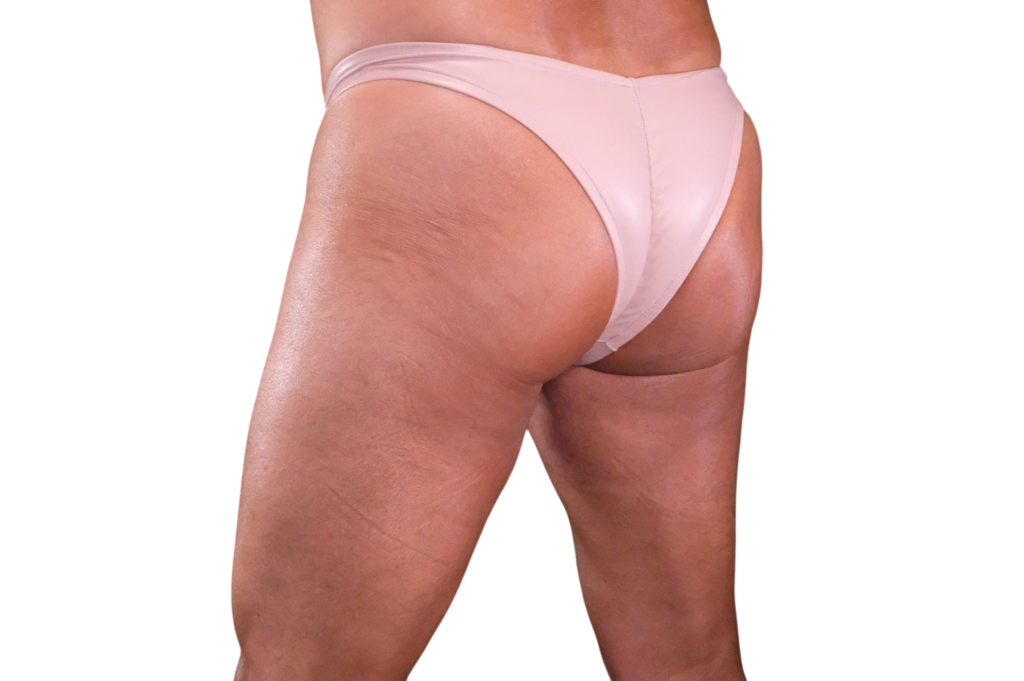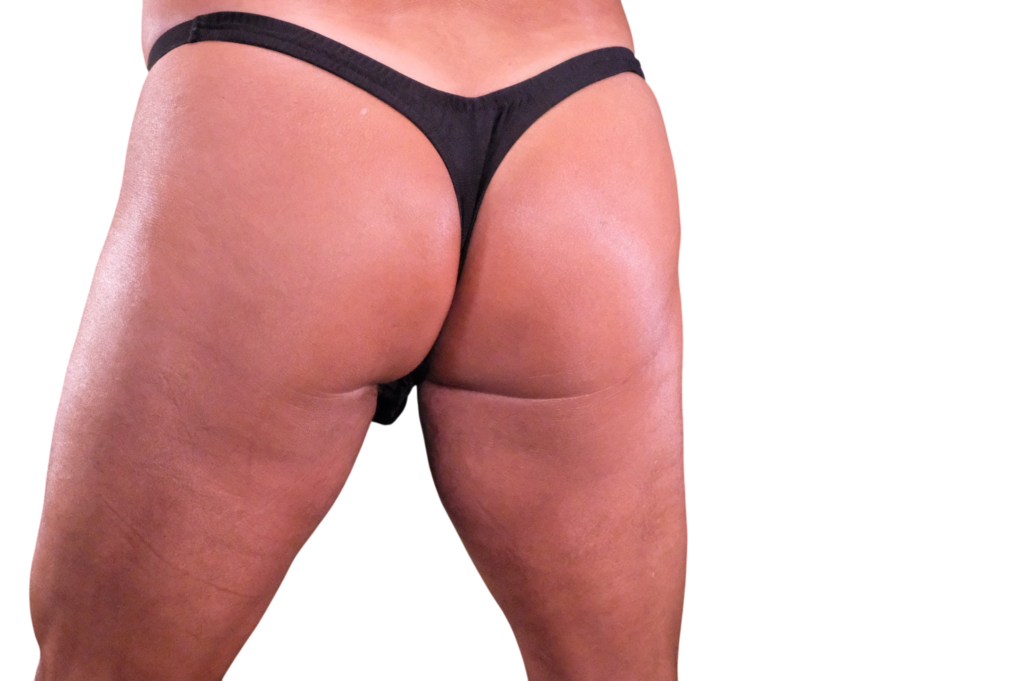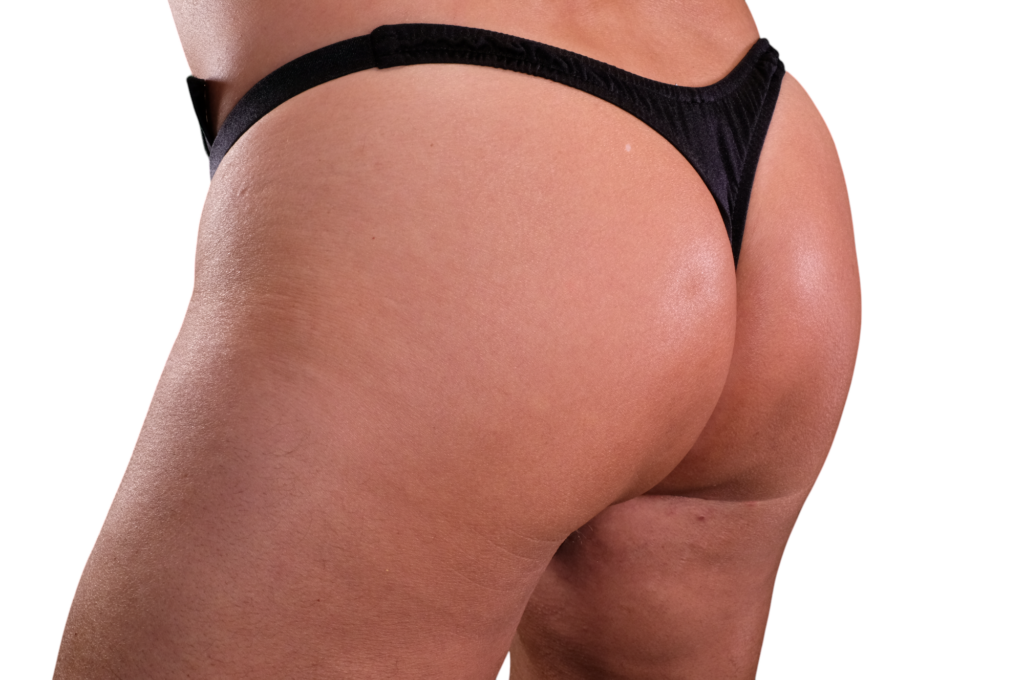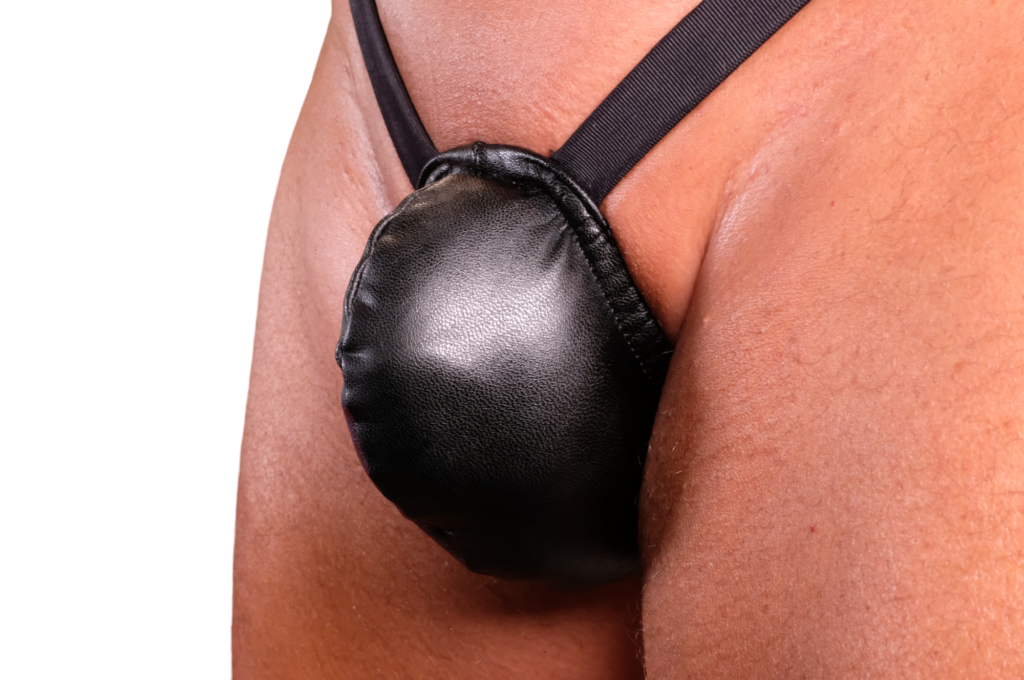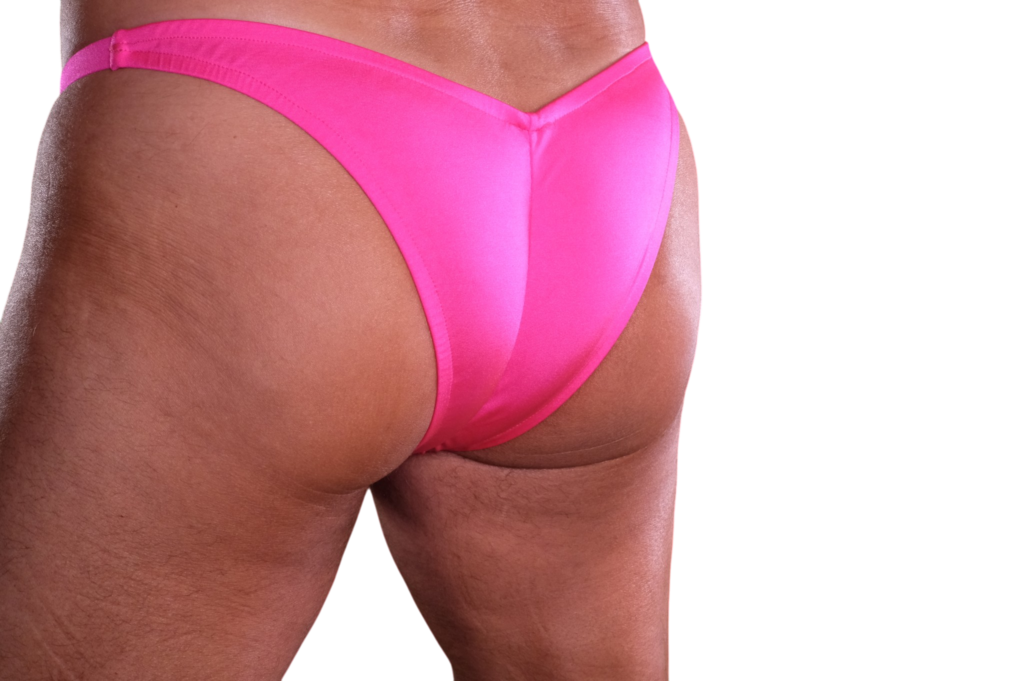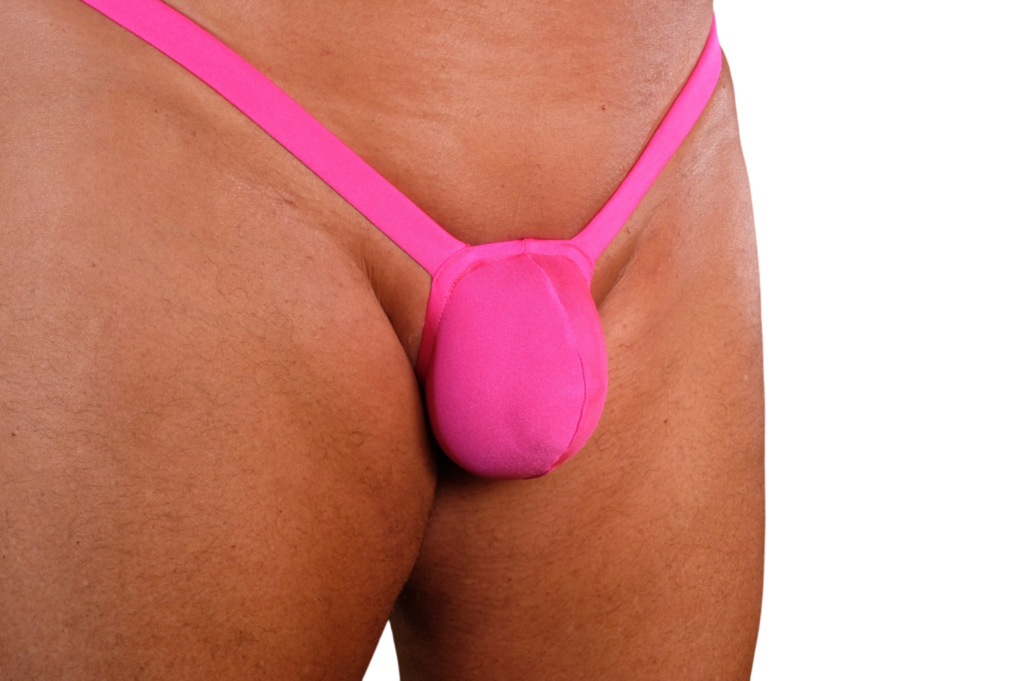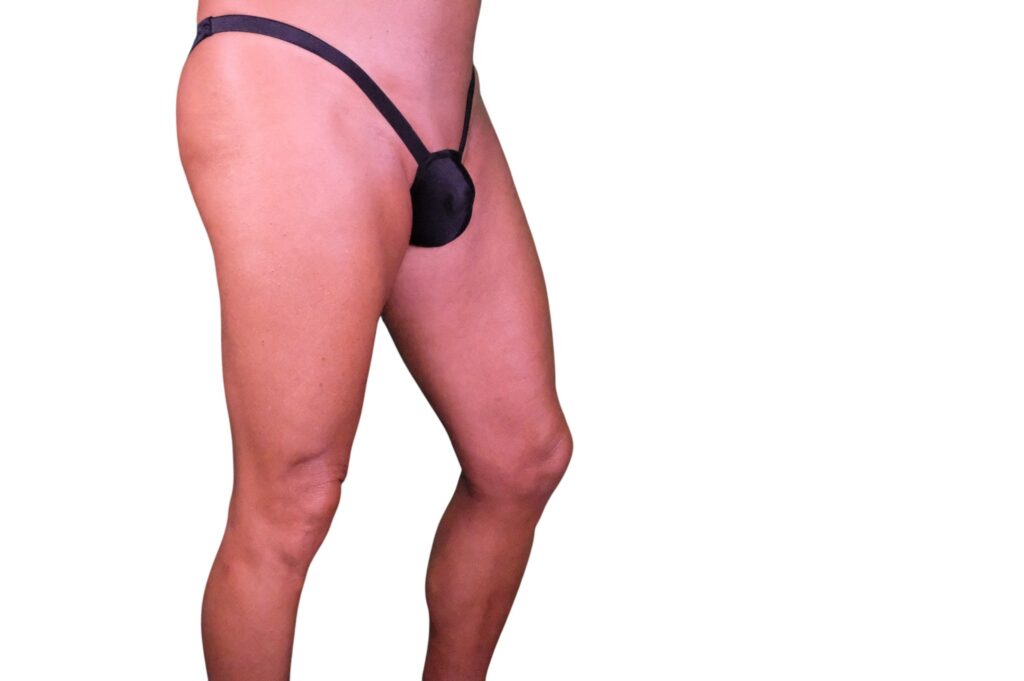
Gay Swimwear Trends

Men’s Gay Swimwear

Men’s Gay Swimwear Trends Are Becoming More Popular Worldwide

Men’s swimwear has changed dramatically. For decades, much of the mainstream market gave men a relatively limited selection: board shorts, trunks, traditional swim briefs, and a handful of athletic styles. Today, that picture is very different.

One of the most interesting influences on this transformation has come from gay men’s swimwear fashion. Gay beach and pool culture has long embraced body-conscious swimwear, bright colors, creative cuts, and designs that challenge traditional ideas about what men are supposed to wear. Many of those styles are now moving well beyond specifically gay markets and becoming part of a much broader international swimwear movement.

Bikinis, thongs, G-strings, micros, ultra-micros, contour pouches, gender-fluid designs, and other once-niche styles are increasingly visible wherever men feel comfortable experimenting with fashion.

The result is a much larger definition of men’s swimwear.

Gay Men Have Helped Push Men’s Swimwear Forward

Gay men certainly did not invent revealing men’s swimwear. Brief swimsuits have existed for generations, and in many parts of Europe, South America, and elsewhere, small men’s swimsuits have never carried the same stigma they sometimes acquired in North America.

Gay beach culture, however, has been particularly influential in turning swimwear into a form of personal fashion and self-expression.

At gay beaches, resorts, cruises, pool parties, and LGBTQ+ destinations, men have often had greater freedom to experiment. Instead of asking whether a swimsuit is too small, too colorful, too feminine, or too revealing, the emphasis is frequently on whether the wearer likes it.

That attitude helped create an ideal environment for new designs.

Today, many styles associated with gay swimwear are being worn by men across different sexual orientations. A bikini is simply a bikini. A thong is simply another swimsuit option. The garment itself does not determine the wearer’s sexuality.

The Men’s Bikini Continues to Grow

The bikini brief remains one of the easiest ways for a man accustomed to trunks or shorts to experiment with smaller swimwear.

Traditional men’s swim briefs established the basic concept: close-fitting fabric, high freedom of movement, and no unnecessary material. Modern bikinis take that idea considerably further.

They may feature narrower sides, higher-cut legs, lower fronts, smaller rear panels, or more anatomically shaped pouches.

Some look athletic. Others are deliberately sexy.

And increasingly, designers are borrowing elements from women’s bikini fashion. Instead of maintaining rigidly separate male and female silhouettes, designers can take inspiration from both.

That creates considerably more variety.

Thong Swimwear Is Becoming More Visible

The men’s thong is another style that has moved far beyond its former niche.

A thong combines front coverage with minimal rear coverage, creating an exceptionally small swimsuit without requiring the wearer to give up support in front.

Gay men have helped normalize this look in many beach and resort environments. As men see other men confidently wearing thongs, the style becomes less unusual.

That visibility matters.

Fashion changes partly through repetition. Something that initially attracts attention can eventually become ordinary when enough people begin wearing it.

The same thing happened with men’s swim briefs. The thong may be following a similar path, although acceptance still varies considerably by country, beach, resort, and individual venue.

G-Strings Take Minimal Swimwear Even Further

For swimmers who want even less coverage, the G-string represents another step.

A men’s G-string generally retains enough material in front to function as swimwear while reducing the sides and back to extremely narrow straps.

This is not going to become everyone’s swimsuit—and it doesn’t need to.

One of the biggest changes in men’s swimwear is precisely that men no longer have to agree on one acceptable style.

One man can wear board shorts while the man beside him wears a bikini and another chooses a G-string. Men’s swimwear is becoming a spectrum rather than a uniform.

Micro Swimwear Is Creating an Entire New Category

Perhaps the most dramatic trend coming from specialty men’s swimwear is the rise of the micro swimsuit.

Micro designs ask a simple design question:

How little fabric is actually necessary to create a functional swimsuit?

The answers have produced an extraordinary range of designs.

Micro bikinis may have extremely narrow sides and compact fronts. Micro thongs combine tiny pouches with minimal rear coverage. Some designs reduce the swimsuit almost entirely to the portion necessary for coverage.

These swimsuits intentionally make the body the central feature.

For confident wearers, that is exactly the attraction.

Ultra-Micro Swimwear Pushes the Boundary Again

Micro swimwear inevitably led to ultra-micro swimwear.

The distinction isn’t governed by a universal industry standard. Generally, however, ultra-micro describes designs that take minimal coverage to an extreme while still being intended to function as swimwear.

These designs demonstrate just how far men’s fashion has moved.

For generations, women were offered everything from conservative one-piece swimsuits to tiny string bikinis, while men’s choices were comparatively restricted.

Men are increasingly gaining the same freedom to choose their preferred level of coverage.

Pouch Design Has Become a Major Fashion Element

Another important development is the evolution of the male swimsuit pouch.

Older men’s swimsuits frequently treated the front primarily as a functional area providing support and coverage. Contemporary designers increasingly make it an important visual component of the garment.

Pouches can be rounded, contoured, compressed, flattened, enhanced, minimized, or anatomically shaped.

Some suits emphasize the natural male silhouette. Others intentionally minimize it.

This has produced categories such as:

  • anatomical contour pouches
  • micro pouches
  • pouch-only inspired designs
  • compression fronts
  • minimal-bulge designs
  • flat-front designs
  • gender-neutral fronts
  • feminizing and MTF-inspired silhouettes

The important development isn’t any single style. It is the existence of choice.

Men can now decide how they want their bodies presented instead of simply accepting whatever shape a conventional swimsuit creates.

Gender-Fluid Swimwear Is Expanding the Market

One of the newest developments is the growth of gender-fluid swimwear.

Historically, swimsuits were marketed through a very simple division: men’s suits were designed one way and women’s suits another.

That boundary is becoming much less rigid.

Some men want masculine-looking swimwear. Some want something feminine. Others enjoy moving between the two.

Trans women, nonbinary people, femboys, feminine men, and gender-fluid wearers have also encouraged designers to rethink what a swimsuit can accomplish.

As a result, we’re seeing more garments combining traditionally male construction requirements with traditionally feminine silhouettes.

MTF-Inspired Swimwear Is Becoming More Sophisticated

Another specialized category is swimwear intended to create a more feminine appearance for people with male anatomy.

Different garments approach this in different ways.

Some provide compression. Some support tucking. Others use shaping panels or specialized construction to reduce the appearance of a traditional male bulge.

The objective can range from subtle smoothing to creating a dramatically more feminine silhouette.

For trans and gender-diverse wearers in particular, having more choices can make beaches, pools, and vacations more comfortable and enjoyable.

And some cisgender men simply enjoy the aesthetic.

Sheer and Semi-Sheer Designs Remain Part of the Extreme Market

Specialty men’s swimwear also includes sheer and semi-sheer fabrics.

These can range from subtly translucent materials to garments intended primarily for private pools, adult resorts, or other appropriate settings.

Anyone experimenting with these designs should understand that standards regarding exposure differ enormously between venues and jurisdictions. A suit appropriate for an adults-only resort may not be appropriate at a public family beach.

The growth of extreme swimwear doesn’t eliminate the importance of knowing your surroundings.

Gay Resorts and Pool Parties Remain Fashion Laboratories

Some of the most adventurous men’s swimwear continues to appear first at gay resorts, destination events, pool parties, cruises, and beaches.

These environments can function almost like fashion laboratories.

A new cut appears.

A few adventurous men wear it.

Other people notice it.

Photos and social media spread the style.

Specialty manufacturers develop variations.

Eventually, something that once looked radical begins appearing in more conventional settings.

This is one reason gay fashion can influence the larger men’s swimwear industry.

Social Media Has Accelerated Everything

Twenty years ago, a distinctive swimsuit worn at a beach in Spain might have remained a local trend.

Today it can be seen around the world almost immediately.

Instagram, TikTok, X, Reddit, specialized forums, travel sites, and other online communities allow men’s swimwear styles to cross borders extraordinarily quickly.

A man living somewhere that traditionally favors board shorts can now see what men are wearing in Ibiza, Mykonos, Rio de Janeiro, Miami, Sydney, Sitges, or other beach destinations.

That exposure can change expectations.

Men discover that what seems daring in one community may be completely ordinary somewhere else.

The Straight/Gay Fashion Divide Is Becoming Less Important

Perhaps one of the biggest long-term changes is that swimwear styles themselves are becoming less strongly associated with sexual orientation.

A straight man can wear a thong.

A gay man can wear board shorts.

A bisexual man can wear a Speedo-style brief.

A trans woman can choose a bikini specifically engineered for her anatomy.

A gender-fluid person can choose a swimsuit that changes how their body is visually presented.

The garment doesn’t need to communicate a sexual orientation.

That freedom is helping men’s swimwear expand.

Body Confidence Matters More Than Body Type

Another positive development is the gradual weakening of the idea that revealing swimwear belongs only on one particular body type.

You don’t have to look like an underwear model to wear a bikini.

You don’t need a particular penis size to wear a Speedo.

You don’t need perfectly defined abdominal muscles to wear a thong.

The practical considerations are much simpler: the swimsuit should fit properly, provide the coverage appropriate for the setting, and make the wearer comfortable enough to enjoy himself.

Confidence often develops after wearing smaller swimwear rather than before it.

The first trip across a crowded beach in a tiny bikini can feel intimidating. After several outings, the same swimsuit may feel completely normal.

From Board Shorts to Briefs—and Beyond

For someone interested in experimenting but not ready for an ultra-micro, there is no requirement to jump directly from long shorts to the smallest swimsuit available.

The progression can be gradual:

Trunks → square-cut briefs → traditional swim briefs → bikinis → narrow bikinis → thongs → micro designs → ultra-micros

But even that progression isn’t a rule.

A man might love bikinis and have no interest in thongs. Another might immediately discover that a thong is more comfortable. Someone else may prefer a tiny front with fuller rear coverage.

Choice is the point.

Different Parts of the World Have Different Standards

Although men’s swimwear is becoming more international, regional differences remain important.

Some European and Mediterranean destinations have long histories of men wearing brief swimwear. Brazilian beach culture has its own traditions of body-conscious swimwear. Australian swim culture has long included fitted athletic briefs. In the United States, attitudes can vary tremendously from one beach or pool to another.

Even within the same city, a gay beach, hotel pool, family aquatic center, adults-only resort, and nightclub pool party can have completely different expectations.

Anyone moving toward increasingly revealing designs should therefore consider the particular venue rather than assuming that worldwide popularity means universal acceptance.

Gay Swimwear Is Increasingly Just Men’s Swimwear

This may ultimately be the most important trend.

Styles once specifically marketed as gay men’s swimwear increasingly overlap with the broader men’s fashion market.

Bikinis aren’t inherently gay.

Thongs aren’t inherently gay.

Micro swimsuits aren’t inherently gay.

Bright colors aren’t gay.

Feminine styling doesn’t automatically define someone’s sexuality.

They are fashion choices.

Gay men have nevertheless played an important role in demonstrating that men can be more adventurous about what they wear—and that there is a substantial market for men who want something beyond conventional trunks.

The Future of Men’s Swimwear Is About Choice

The worldwide men’s swimwear market is unlikely to abandon traditional shorts or briefs. Instead, the category is becoming larger.

That is what makes the current period so interesting.

Men can choose athletic Speedo-style briefs, sexy bikinis, thongs, G-strings, micros, ultra-micros, contour pouches, minimal-bulge suits, gender-fluid designs, feminizing silhouettes, or dozens of variations between them.

Some of the most adventurous ideas continue to emerge from gay swimwear culture before crossing into the wider market.

The larger trend is therefore not simply that men’s swimsuits are getting smaller.

It is that men are gaining more freedom to decide what a swimsuit should look like.

For decades, men’s swimwear fashion was largely defined by what men were supposed to wear. The emerging generation of swimwear is increasingly defined by what individual men want to wear.

And that may be the most significant worldwide men’s swimwear trend of all.

men’s fun

Male Masturbation: A Guide to Machines, Devices, and Modern Sexual Wellness

Male masturbation is one of the most common forms of sexual self-exploration. While it requires no special equipment, an increasingly large sexual-wellness industry has developed products intended to provide different sensations, make solo experiences more varied, and give adults new ways to explore what they enjoy.

The category has moved far beyond simple handheld products. Today’s market includes strokers, vibrating devices, automatic machines, air-pressure products, warming systems, app-controlled devices, and sophisticated machines with programmable patterns.

For adults interested in exploring this market, understanding the different technologies is a good place to start.

Why Use a Masturbation Device?

The simplest answer is variety.

Some people use devices because they want sensations that are difficult to reproduce manually. Others enjoy experimenting with technology, while some appreciate hands-free operation or adjustable intensity.

Devices can also make it easier to change routines. Instead of relying on exactly the same stimulation each time, a user can experiment with different speeds, vibration patterns, textures, temperatures, and operating modes.

The goal doesn’t have to be greater intensity. Sometimes simply experiencing something different is what makes a device enjoyable.

Handheld Strokers

Handheld strokers are among the most familiar male masturbation products.

They generally consist of a soft sleeve housed either inside a rigid case or used on its own. Products differ substantially in size, firmness, internal texture, and construction.

Simple models contain no electronics whatsoever. The user controls movement, speed, and pressure.

Their simplicity has advantages. There is nothing to charge, relatively little that can malfunction, and many designs can be completely disassembled for cleaning.

For someone exploring masturbation devices for the first time, a basic stroker is often one of the easiest categories to understand.

Automatic Strokers

Automatic strokers add a motor.

Instead of requiring all movement to be generated manually, the device creates repetitive motion at adjustable speeds. More sophisticated models may provide several movement patterns rather than operating at one constant rate.

This category ranges from compact handheld devices to substantially larger machines.

Look for controls that are easy to reach, multiple intensity settings, an immediate stop function, and components that can be removed for cleaning.

A machine with dozens of functions isn’t necessarily better than one with a few well-designed settings.

Vibrating Male Devices

Vibration is another major category.

Some products are primarily vibrators, while others incorporate vibration into a sleeve or stroker. Depending on the model, users may be able to select different intensities, pulses, waves, or programmed sequences.

Vibration can also be combined with other technologies. Consequently, the distinction between a vibrator, stroker, and masturbation machine is becoming increasingly blurred.

Many premium products now combine several functions in one device.

Rotating and Oscillating Devices

Rather than simply moving in one direction, some machines produce rotational or oscillating movement.

This can create a noticeably different sensation from a conventional automatic stroker.

Again, adjustability is important. A product that allows gradual changes in speed or intensity gives the user more control than a simple on/off design.

Machines should also be used according to their manufacturer’s instructions, particularly when they contain powerful motors or moving components.

Air-Pulse and Suction-Style Technology

Air-based stimulation has become another area of development.

Depending on the product, motors and internal chambers can produce changing air pressure or suction-like sensations. Some combine this technology with vibration or automated movement.

One attraction of air-based technology is that it can provide sensations substantially different from those created by a traditional sleeve.

Products in this category can differ greatly, however, so adjustable intensity and an easy-to-use release or stop control are particularly useful features.

Warming Features

Temperature can make a surprising difference in how a device feels.

Some premium products therefore incorporate warming systems. Others use removable inserts that can be warmed according to the manufacturer’s directions.

Temperature controls should always be designed specifically for intimate use. Improvised heating methods can create hot spots or temperatures capable of causing injury.

A well-designed warming system should emphasize gentle, controlled warmth rather than extreme heat.

Full-Size Masturbation Machines

At the opposite end of the spectrum from pocket-sized devices are larger automated machines.

These products emphasize hands-free operation and mechanical control. Depending upon the machine, the user may be able to adjust speed, movement range, rhythm, and other parameters.

Some can save favorite programs.

These machines tend to be considerably more expensive and require more storage space than handheld products. They also contain more moving parts, making construction quality particularly important.

Before buying one, consider noise, stability, cleaning, storage, replacement components, warranty coverage, and whether the controls can be reached easily while the machine is operating.

App-Controlled Devices

Bluetooth and Wi-Fi have brought connected technology into sexual wellness.

Some devices can be controlled through a smartphone application. Apps may provide access to saved routines, custom patterns, remote controls, or synchronization features.

For couples who spend time apart, some connected products also permit consensual remote control.

Privacy deserves consideration here. Before connecting an intimate device to an app, users may want to examine what information the manufacturer collects, whether an account is required, how connections are secured, and whether the device can operate normally without an internet connection.

Interactive and Media-Synchronized Devices

Another emerging category combines masturbation hardware with digital entertainment.

Compatible devices may alter their behavior in response to interactive content or programmed scripts. Virtual-reality systems have helped drive development in this area.

This represents a larger trend within sexual wellness: devices are becoming interactive platforms rather than merely mechanical products.

As the technology improves, synchronization, customization, and personalization will probably become increasingly common.

Adjustable Pressure and Fit

Not every innovation requires electronics.

Modern sleeves and devices increasingly provide ways of adjusting fit or pressure. This might involve valves, flexible housings, interchangeable sleeves, or mechanical adjustments.

Fit matters because bodies vary enormously.

A product shouldn’t require uncomfortable pressure to stay in position. Discomfort, pain, numbness, unusual discoloration, or loss of sensation are reasons to stop using the device.

Materials Matter

One of the most important considerations when choosing an intimate product is the material touching the body.

Manufacturers use materials including silicone and various flexible elastomers. Quality and durability can vary considerably.

Consumers should look for reputable manufacturers that clearly identify materials and provide detailed cleaning instructions.

Also check lubricant compatibility. Some materials can be damaged by particular lubricants, so the manufacturer’s recommendations should take priority.

Cleaning Is Part of Using the Device

Any reusable masturbation product needs proper cleaning.

Removable sleeves generally make this easier. Depending on the manufacturer’s instructions, a sleeve may be washable separately while the electronic housing must only be wiped clean.

A device should be thoroughly dried before storage.

Water-resistant and waterproof are also not necessarily the same thing. Never submerge a powered device unless the manufacturer specifically states that it is designed for immersion.

Start With Lower Settings

Motorized products can be considerably more powerful than expected.

Beginning at a low speed or intensity provides an opportunity to become familiar with the device before increasing the setting.

The same principle applies to pressure and suction.

More powerful isn’t automatically more pleasurable, and excessive intensity can cause temporary numbness, irritation, or soreness.

Lubrication Can Be Important

Many sleeves and moving devices are designed to be used with lubricant. It can reduce friction and make operation more comfortable.

The important issue is compatibility.

A lubricant that works perfectly with one product may damage another material. Follow the device manufacturer’s recommendations rather than assuming that every lubricant works with every device.

Choosing the Right Device

There isn’t a single “best” masturbation machine because people want different experiences.

Someone wanting simplicity might prefer a washable handheld sleeve. Someone wanting hands-free operation may prefer an automatic stroker. Someone interested in technology might choose an app-controlled device, while another person may prioritize vibration, warmth, or adjustable air pressure.

Price also varies enormously.

A relatively inexpensive manual device can provide years of use, while sophisticated electronic machines can cost hundreds of dollars or more.

Rather than assuming expensive means better, consider the features you will actually use.

Features Worth Looking For

When comparing devices, useful considerations include:

  • adjustable speed or intensity
  • simple controls
  • quick-stop capability
  • comfortable and appropriate materials
  • removable washable components
  • water resistance where appropriate
  • replacement sleeves or parts
  • reasonable operating noise
  • battery life
  • charging time
  • warranty coverage
  • secure app connectivity for connected products

For larger machines, stability and mechanical safety become especially important.

Don’t Ignore the Instructions

Sexual-wellness products can look straightforward, but manufacturers may specify maximum operating times, cleaning methods, charging procedures, compatible lubricants, and other important limitations.

Reading the instructions is particularly important with motorized equipment.

Never modify a powered sexual device or defeat a built-in safety mechanism to make it stronger.

From Simple Sleeves to Sexual Technology

The masturbation-device market demonstrates how much sexual wellness has changed.

At one end are inexpensive products containing no electronics at all. At the other are sophisticated machines offering automated movement, warming, vibration, air-pressure effects, smartphone control, interactive programming, and media synchronization.

Neither end of that spectrum is inherently better.

The most useful device is one that provides sensations the individual enjoys while remaining comfortable, controllable, hygienic, and easy to use.

Male Masturbation Is Becoming More High-Tech

The future of male masturbation devices will probably involve even greater personalization.

Machines can increasingly remember settings, produce customizable routines, connect with digital platforms, and combine several types of stimulation in a single product. Improvements in motors, batteries, materials, sensors, and software are likely to make these devices smaller and more sophisticated.

Yet technology doesn’t change the basic purpose.

Masturbation is personal exploration, and devices are simply additional tools adults can choose to incorporate into it.

From a simple handheld sleeve to a sophisticated automatic machine, today’s market provides more options than ever before. Understanding the technologies, starting conservatively, maintaining the equipment properly, and paying attention to comfort can make experimenting with those options safer and more enjoyable.

First Time Wearing Men’s Gay Swimwear

Gay swimwear
Men’s Gay Swimwear

My First Time Wearing Men’s Gay Swimwear: How a Micro Swimsuit Changed My Beach Experience

I never expected a swimsuit to change the way I felt about myself.

Yet that is exactly what happened the first time I wore what I thought of as gay swimwear to the beach.

For years, my idea of men’s beachwear was fairly conventional. Guys wore board shorts, trunks or maybe a Speedo if they were particularly confident. I knew that bikinis, thongs and micro swimsuits for men existed, and I had certainly noticed them online and occasionally at the beach, but actually imagining myself wearing one was something entirely different.

Then curiosity won.

I ordered several swimsuits that were far smaller than anything I had ever owned: a couple of micro bikinis and some tiny men’s thongs. They were sexy, colorful, body-conscious and unapologetically revealing compared with my old swimwear.

Ordering them was easy.

Wearing one alone at home was exciting.

Walking onto a public beach wearing one was another matter entirely.

And doing it with my friends turned out to be one of the most liberating beach experiences I had ever had.

Why I Wanted to Try Gay Swimwear

The phrase “gay swimwear” can mean different things to different people. There obviously isn’t a swimsuit that determines someone’s sexual orientation. Gay men wear everything from board shorts to racing briefs.

But there is also a recognizable branch of men’s swimwear culture that has enthusiastically embraced styles mainstream men’s fashion traditionally avoided.

Bikinis.

Thongs.

G-strings.

Micro briefs.

Tiny pouches.

Bright colors.

Feminine cuts.

Sheer and semi-sheer designs.

And swimsuits that simply don’t apologize for showing the male body.

That was the world I wanted to explore.

What attracted me wasn’t merely the amount of skin the suits exposed. It was the freedom represented by them.

The guys wearing these suits seemed to have stopped worrying about whether their swimwear was sufficiently “masculine.” Some were muscular and masculine-looking. Others were slender and feminine. Some emphasized their bulges while others wore incredibly compact designs. Some wore colors and cuts that could easily have come from the women’s side of a swimwear store.

The common element was confidence.

I wanted to experience some of that.

The Package Arrived

When my order arrived, my first reaction was almost laughter.

These things were tiny.

Seeing a micro swimsuit in a photograph is completely different from holding one in your hand.

One bikini looked impossibly small compared with my regular swim briefs. The thong had narrow sides, a tiny front and almost nothing covering the rear.

My immediate thought was:

I’m actually going to wear this?

Then I tried everything on.

That was the first revelation.

Once the swimsuits were actually on my body, they didn’t seem nearly as outrageous as they had in my hands.

They were certainly revealing, but they also looked like real swimwear.

The stretch fabric hugged my body. The tiny cuts made my legs look longer. Without loose fabric hanging around my thighs, I suddenly noticed the shape of my entire body differently.

I kept looking in the mirror.

Part of me felt exposed.

Another part of me thought:

I really like this.

Practicing at Home

Before my beach day, I wore the suits around the house several times.

That turned out to be useful.

Micro swimwear feels different from conventional trunks. When you have spent years wearing shorts at the beach, suddenly having most of your hips and rear exposed can create the sensation that you have forgotten to put something on.

I walked around.

I sat down.

I stretched.

I checked that everything stayed securely covered.

I tried the bikini and then the thong again.

After a while, something interesting happened.

The swimsuits stopped feeling shocking.

My brain adjusted.

Instead of thinking, I’m practically naked, I started thinking, I’m wearing a swimsuit. It’s just a really small swimsuit.

That mental shift made a huge difference.

Telling My Friends

The next challenge was my friends.

I had agreed to go to the beach with a group, and I decided this would be the day.

I mentioned beforehand that I had bought some really tiny swimwear and planned to try it.

Naturally, that generated comments.

“A thong?”

“Seriously?”

“How tiny are we talking?”

I laughed along with them.

Having friends know beforehand actually reduced my anxiety. There wasn’t going to be some dramatic reveal where I removed my shorts and everyone suddenly discovered what I was wearing.

They already knew.

And when beach day arrived, I packed two suits: a micro bikini and an even smaller thong.

I also packed ordinary shorts.

The shorts were my emergency escape plan.

The Moment of Truth

At the beach, I initially wore my shorts.

For maybe twenty minutes, I found excuses not to take them off.

We put down towels.

We talked.

We applied sunscreen.

Someone went toward the water.

Finally I realized that if I didn’t do it immediately, I might spend the entire day hiding inside my shorts.

So I pulled them off.

There I was.

Standing on a public beach with my friends in the smallest swimsuit I had ever worn.

For about thirty seconds, I felt as though every person within half a mile must be staring directly at me.

Of course they weren’t.

That was probably the biggest lesson of the entire experience.

Most People Aren’t Paying That Much Attention

I had built the moment into something enormous in my imagination.

Reality was remarkably ordinary.

A few people looked.

My friends noticed, obviously.

But the beach continued being a beach.

People talked.

Kids built things in the sand.

Couples walked along the water.

People swam.

Someone threw a Frisbee.

Nobody stopped the world because a guy was wearing a micro bikini.

And after a few minutes, my anxiety began disappearing.

My Friends Made All the Difference

My friends joked about the swimsuit, but in a friendly way.

Then something even better happened.

They stopped talking about it.

Within minutes, I wasn’t “the guy in the tiny swimsuit.”

I was simply part of the group again.

That normalization was incredibly powerful.

I started realizing how much of my fear had been generated inside my own head.

I had imagined judgment.

I had imagined embarrassment.

I had imagined people staring.

Instead, I was standing in the sunshine with my friends wearing exactly what I wanted to wear.

And nothing terrible happened.

Quite the opposite.

I was having fun.

Then I Put on the Thong

The micro bikini had been my safety suit.

The thong was the real challenge.

Later in the day, I decided I had come this far and might as well go all the way.

I changed into it.

The thong was considerably smaller than the bikini. The rear coverage was minimal, and suddenly I felt exposed all over again.

But the second adjustment happened much faster than the first.

Within several minutes, it felt normal too.

I walked along the beach with my friends.

I went into the water.

I lay in the sun.

And that was when I had the realization that made the day so memorable:

I wasn’t trying to get brave enough to wear a thong anymore. I was simply a guy wearing a thong at the beach.

There is an enormous psychological difference between those two things.

Why It Felt So Liberating

The experience wasn’t life-changing because a tiny piece of Lycra possesses some magical power.

It was life-changing because I had confronted one of my own boundaries.

I had spent years thinking there were certain clothes other men could wear but I couldn’t.

Maybe those guys were younger.

Maybe they had better bodies.

Maybe they were more confident.

Maybe they were more openly gay.

Maybe they simply didn’t care what anyone thought.

There was always some reason why they could wear something I secretly wanted to wear.

That day I discovered the distinction was mostly imaginary.

I could wear it too.

Gay Swimwear Gave Me Permission to Experiment

One thing I particularly appreciate about gay men’s swimwear culture is its willingness to experiment.

Traditional men’s swimwear has historically operated within relatively narrow boundaries. Gay fashion communities have often been much more willing to play with those boundaries.

Why shouldn’t a man wear a bikini?

Why shouldn’t he wear a thong?

Why can’t the sides be strings?

Why can’t the pouch be tiny?

Why can’t the colors be pink, lavender, neon or metallic?

Why can’t a man’s swimsuit be feminine?

Why does every man need to dress according to somebody else’s definition of masculinity?

Once I started asking those questions, many of the old swimwear rules began seeming arbitrary.

It Wasn’t About Having the “Perfect” Body

Before wearing micro swimwear, I assumed I needed the right body.

Then I looked around the beach.

People were every imaginable shape.

Thin.

Muscular.

Heavy.

Young.

Older.

Tall.

Short.

Nobody had been required to pass a swimsuit examination before entering the sand.

I finally understood that confidence doesn’t necessarily come before wearing something daring.

Sometimes confidence comes from doing it.

I didn’t wait until I possessed perfect micro-swimsuit confidence.

I wore the swimsuit while nervous.

Then I discovered I could handle the nervousness.

The confidence followed.

Discovering the Feminine Side of Men’s Swimwear

The experience also changed how I thought about masculine and feminine fashion.

Some of the micro bikinis and thongs I liked were distinctly feminine-looking. They had narrow straps, tiny fronts, bright colors and cuts that historically would have been marketed almost exclusively to women.

I discovered that I liked that.

For some men, gay swimwear is all about emphasizing a masculine physique. That’s a great look.

For others, including feminine men, femboys and gender-fluid people, micro swimwear can move in another direction.

A tiny bikini can soften the traditional male beach silhouette.

A thong can emphasize the hips and rear rather than broad shorts.

A smooth or compact front can make the body appear less conventionally masculine.

Someone who wants to go further can explore swimwear specifically designed to create a more androgynous or feminine silhouette.

That doesn’t automatically say anything about a person’s gender identity.

Sometimes fashion experimentation is simply fashion experimentation.

For me, discovering that I could enjoy a more feminine swimsuit without needing to justify it was another form of freedom.

The Difference Between Attention and Confidence

I also learned that wearing micro swimwear doesn’t have to mean demanding attention.

Yes, a tiny thong is likely to attract more looks than knee-length board shorts.

That’s reality.

But there is a difference between wearing something because you desperately need strangers to notice you and wearing something because you genuinely enjoy how you look and feel in it.

Once I stopped constantly checking whether people were looking, the experience became much more enjoyable.

I wasn’t performing.

I was swimming.

Sunbathing.

Talking.

Laughing.

Walking along the beach.

The swimsuit became part of the day rather than the purpose of the day.

Choosing Your First Micro Swimsuit

If I were starting again, I would still begin with a micro bikini rather than jumping immediately to the smallest thong imaginable.

A progressive approach makes sense.

Start with a fitted swim brief.

Move to a bikini.

Try a micro bikini.

Experiment with narrower sides.

Then try a thong or G-string if that’s where your interest takes you.

You don’t win a prize for wearing the smallest swimsuit.

The objective is finding the point where daring and comfortable meet.

And that point can change.

The bikini that seems outrageously tiny today may seem surprisingly conservative after you’ve worn it several times.

That certainly happened to me.

Public Setting and Beach Etiquette Still Matter

Confidence doesn’t eliminate the need for common sense.

Different beaches, pools, resorts and countries have different rules and cultural expectations. A swimsuit appropriate for an adults-oriented resort or clothing-optional beach might not be appropriate for every public pool.

Coverage also matters.

A micro swimsuit can be extraordinarily small while still functioning as swimwear, but the suit needs to remain secure when walking, sitting and swimming.

Before wearing a new micro design publicly, I think trying it at home is invaluable.

Move around in it.

Sit down.

Bend over.

Walk.

Check the fit from every angle.

Make sure the swimsuit stays where it is supposed to stay.

Confidence is much easier when you’re not constantly worrying about a wardrobe malfunction.

Bring a Backup

There is also nothing wrong with bringing shorts.

I did.

Knowing that I could put them back on whenever I wanted actually made it easier to leave them off.

You aren’t signing a contract when you wear your first micro swimsuit.

Try it for ten minutes.

Go swimming.

Walk down the beach.

If you’re uncomfortable, put your shorts back on.

Try again another day.

The objective isn’t proving something to strangers.

It’s discovering what feels right for you.

Why Going With Friends Helped

Going with supportive friends transformed the experience.

Walking onto a beach alone in radically different swimwear can make you extremely conscious of yourself.

Friends give you something else to focus on.

You’re talking.

You’re laughing.

You’re swimming.

You’re part of a group.

Soon the swimsuit becomes background information.

And supportive friends can provide one of the most valuable messages possible:

You’re still you. You’re just wearing a much smaller swimsuit.

My Second Beach Day Was Completely Different

The biggest evidence that something had changed came the next time I went to the beach.

There wasn’t nearly as much hesitation.

I already knew the secret.

The world wasn’t going to stop.

People might look.

Some might like the swimsuit.

Some might dislike it.

Most wouldn’t care.

And I didn’t need unanimous approval.

I had already discovered that I loved wearing micro swimwear.

That knowledge belonged to me.

Gay Swimwear Opened a Bigger Door

My first micro bikini didn’t just introduce me to smaller swimsuits.

It changed my relationship with clothing.

I became more willing to ask:

Do I actually dislike this, or am I simply afraid of what other people might think if I wear it?

That’s a useful question far beyond the beach.

I became more adventurous with colors.

Cuts.

Thongs.

Micro designs.

More feminine styles.

And different ways of presenting my body.

The boundaries separating “men’s” and “women’s” fashion suddenly seemed much less important.

My First Micro Swimsuit Wasn’t My Last

When I ordered those first micro bikinis and thongs, I thought I was buying novelty swimsuits.

I didn’t realize I was buying myself an experiment in confidence.

That first beach day with my friends changed everything.

I arrived wondering whether I would have enough courage to remove my shorts.

I left wondering why I had waited so long.

The tiny bikini hadn’t changed who I was.

The thong hadn’t transformed my personality.

What changed was my willingness to let myself be seen wearing something I genuinely loved.

And perhaps that is why men’s gay swimwear—especially bikinis, thongs and micro designs—can feel so liberating.

It gives men permission to stop asking what a man’s swimsuit is supposed to look like and start asking a much better question:

What swimsuit makes me feel most like myself?

For me, the answer turned out to involve considerably less fabric than I ever expected.

Men’s Gay Swimwear Bikinis and Speedos

Men’s Gay Swimwear

Men’s Gay Swimwear: Bikinis, Speedos, and the Evolution of a Beachwear Classic

Men’s gay swimwear has never been defined by one particular swimsuit. Gay men wear everything from board shorts to barely-there thongs. Still, two styles have an especially strong place in gay beach and pool culture: men’s bikinis and Speedo-style swim briefs.

For decades, fitted swim briefs have offered an alternative to the idea that men need to cover themselves in long, loose shorts at the beach. They are athletic, body-conscious, comfortable in the water, easy to tan in, and available in styles ranging from conservative racing briefs to extremely small micro bikinis.

Today, the boundaries are becoming even less distinct. A bikini isn’t automatically a “gay swimsuit,” just as board shorts aren’t automatically straight. Straight, gay, bisexual, queer, and gender-fluid men can all be found wearing fitted swim briefs. What has changed is the enormous range of choices—and the growing willingness of men to wear what they actually like.

Why Bikinis and Speedos Became Gay Swimwear Icons

The Speedo-style racing brief has been around for generations. Competitive swimmers adopted close-fitting suits because they worked well in the water, and fitted briefs became commonplace in many parts of the world.

Gay beach culture gave the style another identity.

A small swim brief could be athletic while also being sexy. Instead of hiding the body beneath loose fabric, it celebrated the male physique. That made the fitted brief particularly at home at gay beaches, resorts, cruises and pool parties.

Over time, swimwear designers took the basic concept much further.

Waistbands dropped. Side widths became narrower. Pouches became more anatomical. Rear coverage became smaller. Colors became brighter. Eventually, the traditional racing brief evolved into an entire family of men’s bikini swimwear.

Today there is a spectrum:

Traditional swim brief → bikini → Brazilian bikini → string bikini → micro bikini → ultra-micro bikini

A man can decide exactly how far down that spectrum he wants to travel.

The Classic Speedo Look

“Speedo” is technically a brand name, but the word is commonly used conversationally to describe close-fitting men’s racing briefs.

The traditional swim brief remains one of the easiest places to start.

It generally provides substantially more coverage than a micro bikini while still creating the unmistakable fitted-swimwear appearance. It is particularly attractive to men who want something sporty rather than overtly provocative.

A classic brief works because of its simplicity:

  • A secure waist
  • Full or nearly full rear coverage
  • A supportive front
  • Freedom of movement
  • Minimal fabric compared with trunks
  • Excellent tanning potential

It can look equally natural swimming laps, walking a beach, relaxing beside a hotel pool or spending the afternoon at a resort.

For a guy accustomed to board shorts, however, putting one on for the first time can feel like a major change.

Suddenly, there isn’t much fabric between your body and the rest of the world.

That’s also part of the attraction.

From Speedo to Men’s Bikini

The men’s bikini takes the basic swim-brief concept and makes it more fashion-oriented.

A bikini might have narrower sides, a lower waist, a higher-cut leg or a more sculpted pouch. Instead of looking primarily like athletic equipment, it is deliberately designed to show off the wearer.

This is where men’s gay swimwear becomes extraordinarily diverse.

One man might prefer a relatively conservative black bikini. Another wants hot pink. Someone else wants a tiny white string bikini. Another guy wants a suit with a dramatically shaped pouch.

There isn’t a single correct gay-swimwear look.

Individuality is a major part of the fun.

Why Spandex Works So Well

Stretch fabrics such as Lycra and spandex helped transform men’s fitted swimwear.

A good stretch fabric moves with the body rather than fighting it. That allows designers to create swimsuits using remarkably small amounts of material while still maintaining a secure fit.

It also gives men’s bikinis their characteristic second-skin appearance.

That can be especially important with tiny suits. Once a swimsuit becomes very small, its cut and elasticity matter enormously. A difference of an inch—or even less—can dramatically change how a micro bikini fits and looks.

Spandex also makes possible an enormous range of finishes and colors: matte black, neon colors, metallic effects, prints, glossy finishes and everything in between.

The Importance of the Pouch

One major difference between many men’s bikinis and women’s bikinis is the front.

Men’s swimwear designers have to decide what they want the pouch to do.

Some suits provide traditional support and moderate definition. Others deliberately emphasize the anatomy with contouring or enhancing pouches.

At the opposite extreme are minimizing and compression styles intended to create a smaller, smoother front.

That creates several distinct aesthetics within modern men’s swimwear:

Natural: Enough room for comfortable support without deliberately changing the apparent proportions.

Enhancing: Anatomically shaped pouches emphasize the wearer’s outline.

Compression: Stretch fabric holds everything closer to the body for a reduced profile.

Minimal: Extremely small pouches use just enough material to provide the intended coverage.

Gender-fluid or feminizing: Specialized designs reduce traditionally masculine contours and create a smoother or more feminine silhouette.

Consequently, choosing a bikini isn’t simply about deciding how much skin you want to show. You’re also deciding what silhouette you want the swimsuit to create.

Gay Swimwear Doesn’t Have to Emphasize Masculinity

One particularly interesting development in gay men’s swimwear is that masculine presentation is no longer the only goal.

Some gay men want the classic muscular Speedo appearance.

Others don’t.

A man might prefer a softer, prettier or deliberately feminine look. He might choose pastel colors, pink bikinis, narrow strings, high-cut legs, cheeky backs or designs traditionally associated with women’s swimwear.

Others enjoy androgynous or gender-fluid swimwear.

The result is an enormous fashion range.

A gay man can look traditionally masculine in a black racing brief one day and wear a tiny pink bikini the next. Neither choice needs to say anything more about him than he wants it to.

The Rise of the Micro Bikini

If the Speedo represents the classic fitted men’s swimsuit, the micro bikini represents its rebellious younger relative.

Micro bikinis reduce coverage to a fraction of what a traditional swim brief provides.

Sides may become tiny straps. The front can shrink dramatically. Rear coverage might become Brazilian, cheeky or nearly thong-like.

For some wearers, that minimalism is precisely the point.

There is a distinctive experience to wearing a swimsuit that seems almost impossibly small and discovering that it actually stays in place.

Micro swimwear also changes the psychology of being at the beach. You aren’t hiding beneath your swimsuit anymore. The suit becomes a frame for your body rather than something covering it.

That makes confidence part of the look.

Thongs and G-Strings Enter the Picture

Once a guy becomes comfortable wearing bikinis, it isn’t unusual to start wondering:

Could I go smaller?

That question has helped thongs and G-strings move into men’s swimwear.

A thong keeps a conventional or micro-style front while dramatically reducing rear coverage. A G-string takes minimalism even further.

These designs have long been visible at certain gay beaches, resorts and pool parties, but they increasingly exist within the broader men’s swimwear market as well.

The same progression happens frequently:

Board shorts feel normal.

Then a Speedo feels daring.

Eventually the Speedo feels normal.

Then a bikini seems exciting.

Eventually the bikini feels normal.

And suddenly that thong hanging in the closet doesn’t seem nearly as outrageous as it did six months earlier.

Gay Swimwear and Color

Black will probably never disappear from men’s swimwear. It is classic, easy to wear and particularly effective in small fitted designs.

But gay men’s swimwear certainly doesn’t have to stop there.

Bright blue, turquoise, yellow, purple, white, red, metallics and neon shades can completely change the personality of the same bikini.

And then there is pink.

Pink men’s swimwear has become a particularly fun way of rejecting old assumptions about which colors men are “supposed” to wear.

A tiny hot-pink bikini isn’t trying to disappear.

That’s exactly why some guys love it.

Are Speedos Still “Gay”?

This is where swimwear culture has changed considerably.

For years, particularly in parts of the United States, a man wearing a tiny fitted swimsuit could be stereotyped as gay.

That assumption never made much sense.

In many countries, fitted swim briefs have simply been normal men’s swimwear. Competitive swimmers wear them. Straight men wear them. Gay men wear them. Bisexual men wear them.

The same increasingly applies to bikinis and even some thong styles.

Gay men certainly played an important role in embracing body-conscious men’s swimwear, but the fashion itself isn’t restricted by sexual orientation.

A swimsuit doesn’t determine who you are attracted to.

That simple idea has opened men’s swimwear to considerably more experimentation.

Straight and Gay Swimwear Styles Are Blending Together

The interesting question today isn’t necessarily, “What swimsuit do gay men wear?”

It may be:

Is there really such a thing as exclusively gay swimwear anymore?

A straight guy can wear a micro bikini.

A gay guy can wear board shorts.

A bisexual guy can wear a thong.

A gender-fluid man can wear a women’s bikini.

A masculine gay athlete can wear a racing Speedo.

A feminine man can wear a tiny pink string bikini.

Modern swimwear gives men far more freedom to separate clothing from sexual orientation.

That is an important evolution.

Choosing Your First Gay Bikini or Speedo

If you’ve spent your entire life wearing trunks or board shorts, don’t feel that you have to jump immediately into an ultra-micro bikini.

Start wherever you feel comfortable.

A traditional racing brief is an excellent first step because it gives you the experience of wearing close-fitting swimwear without going extremely small.

Once that feels ordinary, try a bikini.

Then perhaps try narrower sides.

Maybe a Brazilian rear.

Maybe a micro.

Maybe a thong.

Or perhaps you discover that the classic Speedo is exactly where you want to stay.

There isn’t a finish line.

Fit Matters More as the Suit Gets Smaller

With board shorts, a slightly imperfect fit might not matter much.

With a micro bikini, it matters enormously.

Tiny swimsuits have very little fabric available to compensate for incorrect sizing. The waistband needs to stay secure, the front needs to provide the intended coverage, and the suit shouldn’t require constant adjustment.

Always follow the manufacturer’s sizing instructions rather than automatically assuming that your normal shorts size will translate directly into a bikini size.

And remember that different pouch designs can fit completely differently even when the waist measurement is identical.

Wearing Your First Speedo in Public

For many men, buying the swimsuit is easy.

Walking out of the hotel room wearing it is harder.

The first public outing can create the strange sensation that absolutely everyone is looking at you.

Usually, they’re not.

One of the easiest approaches is to wear the suit somewhere fitted men’s swimwear is already common. Beaches, gay resorts, cruises, pool parties and swimming-oriented environments can make that first experience considerably easier.

After you’ve worn a bikini publicly a few times, something interesting often happens.

It stops feeling unusual.

It simply becomes your swimsuit.

Beach and Pool Etiquette Still Matters

Minimal swimwear doesn’t eliminate ordinary etiquette.

Different beaches, hotels, cruise lines, resorts and pools can have different standards. A conventional swim brief may be acceptable almost anywhere swimwear is allowed, while extremely revealing micro bikinis, thongs or G-strings may be restricted in some locations.

Before wearing an unusually minimal suit, consider the venue.

A gay resort pool party and a family-oriented community swimming pool are very different environments.

Choosing the right suit for the setting allows you to enjoy adventurous swimwear without making the swimsuit the center of an unnecessary conflict.

Body Confidence Is Not About Having the “Perfect” Body

One of the biggest misconceptions about Speedos and bikinis is that you need an exceptional physique to wear them.

You don’t.

Beaches are filled with real people.

Tall people. Short people. Thin people. Muscular people. Larger people. Younger adults. Older adults.

The requirement for wearing a bikini is remarkably simple:

You need a bikini.

Confidence generally comes after wearing the style rather than before it.

Waiting until you possess the mythical “perfect beach body” can mean waiting forever.

Gay Beaches Helped Push Men’s Swimwear Forward

Gay beach culture has historically been particularly willing to experiment with men’s fashion.

That matters.

Fashion changes when somebody is willing to wear something before everybody else considers it normal.

Fitted briefs, tiny bikinis, thongs, G-strings, sheer designs, bright colors and gender-fluid styles have all benefited from communities willing to challenge traditional men’s clothing rules.

Ideas that once seemed outrageous can eventually become ordinary.

The Speedo itself demonstrates that perfectly.

From Masculine to Feminine—and Everything Between

Perhaps the most exciting thing about modern gay men’s swimwear is the enormous range of presentation it allows.

At one end is the traditional masculine racing brief.

Move along the spectrum and you encounter low-rise bikinis, anatomical pouches and Brazilian cuts.

Continue further and there are string bikinis, micro pouches, thongs and G-strings.

Move in another direction and there are compression, gender-neutral and feminizing designs that intentionally reduce masculine contours.

That means today’s swimsuit can be about more than coverage.

It can be about identity, fashion, athleticism, sexuality, gender expression, tanning, body confidence—or simply having fun.

The Future of Men’s Gay Swimwear

Men’s swimwear appears to be moving toward more choice rather than more rules.

That is good news for gay men and everyone else.

Speedos aren’t disappearing. They’re being joined by increasingly diverse bikini cuts, micro designs, thongs, G-strings, gender-fluid silhouettes and fashion-forward styles that would once have been marketed almost exclusively to women.

At the same time, the old labels are becoming less useful.

A bikini isn’t inherently gay.

A Speedo isn’t inherently gay.

A thong isn’t inherently gay.

They’re swimsuits.

Gay men helped demonstrate just how much fun men’s swimwear could become when guys stopped worrying about whether their suits looked “masculine enough.” Now that attitude is spreading much further.

Final Thoughts: Wear the Suit You Actually Want to Wear

Men’s gay swimwear has traveled a long way from the simple racing brief.

The classic Speedo remains one of the great icons of men’s beachwear, but today it is only the beginning.

Bikinis can be sporty or sexy. They can provide substantial coverage or almost none. They can emphasize a masculine physique or create a softer, more gender-fluid appearance. They can be conservative black or impossible-to-ignore hot pink.

Most importantly, they allow men to make their own choices.

If you love a classic Speedo, wear it.

If you’ve always wanted to try a bikini, try one.

If you’re already comfortable in bikinis and keep wondering what wearing a micro might feel like, perhaps you’re ready to go smaller.

The modern beach is becoming less about deciding what gay men, straight men or any other group are “supposed” to wear.

It’s becoming about something much simpler:

Finding the swimsuit that makes you excited to get to the beach.

Men’s Gay Swimwear Designs

Men’s Gay Swimwear

Men’s Gay Swimwear Designs and How They Have Crossed Over to Straight Men: A Complete Guide to Modern Swimwear Trends

Men’s Gay Swimwear Designs: How Bold Swimwear Became Mainstream
Discover how men’s gay swimwear designs, including bikinis, briefs, thongs, and micro swimwear, have influenced modern men’s fashion and why men of all sexual orientations are embracing smaller, more expressive swimwear.

Men’s Gay Swimwear Designs and How They Have Crossed Over to Straight Men

For decades, certain men’s swimwear styles were commonly associated with gay beach culture. Small bikini briefs, daring thongs, colorful prints, and body-conscious cuts often appeared first at LGBTQ+ beaches, Pride celebrations, gay resorts, and international destinations where fashion trends moved quickly.

Today, those same designs are increasingly worn by men of every sexual orientation. Straight men, bisexual men, gay men, transgender men, non-binary people, athletes, and fashion-conscious travelers are choosing swimwear based on comfort, confidence, performance, and personal style rather than outdated stereotypes.

The result is one of the biggest changes in men’s swimwear fashion in decades.

This guide explores the evolution of men’s gay swimwear, the styles that started the trend, and why these once niche designs have become mainstream around the world.


What Is Gay Swimwear?

Despite the common phrase, gay swimwear is not a specific category of clothing. It is simply swimwear that has become especially popular within many LGBTQ+ communities because of its fashion-forward styling, body-conscious fit, and willingness to challenge traditional expectations.

Typical styles include:

  • Swim briefs
  • Brazilian bikinis
  • String bikinis
  • High-cut bikinis
  • Low-rise briefs
  • Thong swimsuits
  • G-string swimwear
  • Micro bikinis
  • Ultra micro swimwear
  • Sheer or semi-sheer swimwear
  • Colorful designer prints
  • Metallic fabrics
  • Stretch spandex fabrics
  • Fashion-forward European cuts

Many of these designs originated in Brazil, Australia, Southern Europe, and beach destinations where revealing swimwear has long been accepted.


Why Gay Communities Often Lead Swimwear Trends

Throughout fashion history, LGBTQ+ communities have frequently been early adopters of new styles.

This has been true for:

  • Hair styles
  • Fashion
  • Athletic wear
  • Underwear
  • Swimwear
  • Jewelry
  • Grooming
  • Cosmetics
  • Fitness culture

Because many gay communities embraced body confidence and self-expression earlier than mainstream culture, smaller swimwear designs often became accepted there first.

Over time, those same styles entered mainstream fashion.


The Evolution of Men’s Swimwear

The Era of Large Board Shorts

During the 1990s and early 2000s, oversized board shorts dominated many beaches.

They often featured:

  • Heavy fabrics
  • Long legs
  • Loose fits
  • Surf-inspired styling

While practical for surfing, they were not ideal for swimming.

Many men wore them simply because everyone else did.


The Return of the Swim Brief

Competitive swimmers never abandoned swim briefs.

Performance benefits include:

  • Less drag
  • Greater freedom of movement
  • Faster drying
  • Better comfort

As athletic fashion influenced everyday beachwear, many recreational swimmers rediscovered these advantages.


The Rise of the Bikini

Next came bikini styles.

Unlike traditional briefs, bikinis offered:

  • Lower waistlines
  • Smaller side panels
  • More athletic appearance
  • Better tanning
  • Modern fashion

These styles had long been common in LGBTQ+ communities before becoming widely available.


The Influence of International Beaches

Many American travelers discovered a different swimwear culture while visiting:

  • Brazil
  • Spain
  • Italy
  • France
  • Greece
  • Australia

On these beaches they found:

  • Small bikinis
  • Briefs
  • Thongs
  • Fashion swimwear
  • Minimal tan lines

Many realized these styles were simply normal.

After returning home, they continued wearing them.


Why Straight Men Are Wearing Smaller Swimwear

Several factors explain this shift.

Better Comfort

Less fabric often means:

  • Less bunching
  • Less chafing
  • More freedom

Especially in hot climates.


Improved Swimming

Smaller suits move naturally through the water.

Benefits include:

  • Better mobility
  • Less water retention
  • Faster drying

Better Tanning

Many beachgoers prefer:

  • Smaller tan lines
  • Even tanning
  • Minimal fabric

This is one reason bikinis continue growing in popularity.


Fitness Culture

Modern fitness has encouraged body confidence.

Many men spend considerable time:

  • Weight lifting
  • Running
  • Swimming
  • Cycling

After putting effort into fitness, many prefer swimwear that highlights rather than hides their physique.


Popular Gay Swimwear Styles Now Worn by Everyone

Swim Briefs

Classic racing-inspired designs remain one of the world’s most popular men’s swimsuits.

Ideal for:

  • Swimming
  • Resort vacations
  • Lap training
  • Beaches

Brazilian Bikinis

These feature:

  • Narrow sides
  • Lower rise
  • Athletic fit

Once considered daring, they now appear worldwide.


String Bikinis

Minimal side straps create:

  • Maximum flexibility
  • Comfortable fit
  • Excellent tanning

Thong Swimwear

Once almost exclusively associated with gay beaches, men’s swim thongs have become increasingly common at:

  • European beaches
  • Brazilian beaches
  • Resorts
  • Cruises
  • Private pools

Many manufacturers now offer men’s thong swimwear as standard products.


G-Strings

The smallest legal swimwear available.

Typically worn by:

  • Experienced beachgoers
  • Sunbathers
  • Fashion enthusiasts

Although still uncommon in many locations, acceptance has grown significantly.


Micro Swimwear

Micro designs remove nearly all unnecessary fabric.

They appeal to those wanting:

  • Minimal tan lines
  • Maximum freedom
  • Fashion experimentation

Color Has Changed Too

Traditional men’s swimwear focused on:

  • Navy
  • Black
  • Gray

Modern designs embrace:

  • Pink
  • Lavender
  • Aqua
  • Coral
  • Mint
  • Floral prints
  • Tropical designs
  • Rainbow-inspired palettes
  • Metallic finishes

These colors are now common across all consumer groups.


Fabric Technology Has Improved

Modern spandex blends offer:

  • Four-way stretch
  • Chlorine resistance
  • UV protection
  • Shape retention
  • Quick drying

These improvements make smaller swimwear more comfortable than older generations.


Social Media Changed Everything

Instagram, TikTok, YouTube, and travel content have dramatically expanded visibility.

Millions of men now see:

  • European beaches
  • Resort fashion
  • Fitness influencers
  • Professional swimmers
  • Vacation photography

This exposure has normalized styles once seen only in niche communities.


Confidence Is Becoming More Important Than Labels

Many younger consumers care less about traditional fashion rules.

Instead they ask:

  • Does it fit well?
  • Is it comfortable?
  • Does it suit my personality?
  • Does it work for swimming?

Sexual orientation is becoming less relevant in purchasing decisions.


The Growing Popularity of Gender-Neutral Fashion

Modern fashion increasingly encourages individuals to wear clothing based on personal preference rather than gender stereotypes.

Many swimwear collections now feature:

  • Minimal branding
  • Inclusive sizing
  • Soft colors
  • Clean silhouettes
  • Versatile styling

This broader shift has also contributed to wider acceptance of smaller men’s swimwear.


Choosing the Right Style

If you’re considering trying a more fashion-forward swimsuit, start with a style that matches your comfort level.

Conservative

  • Traditional swim brief
  • Athletic brief
  • Mid-rise bikini

Moderate

  • Brazilian brief
  • Low-rise bikini
  • Slim-side brief

Bold

  • String bikini
  • Thong
  • High-cut bikini

Advanced

  • G-string
  • Ultra micro swimsuit
  • Minimal tanning designs

There is no “correct” choice—comfort and confidence matter most.


Tips for First-Time Buyers

Choose quality stretch fabric.

Make sure the suit stays secure during movement.

Try it at a pool before wearing it on vacation.

Focus on fit rather than size labels.

Wear the style because you enjoy it—not because of expectations from others.


The Future of Men’s Swimwear

Fashion continues moving toward:

  • Better fit
  • Higher-performance fabrics
  • Smaller silhouettes
  • Brighter colors
  • Greater personalization
  • Inclusive design

Designs once associated with specific communities increasingly appeal to a wide range of consumers, reflecting broader changes in fashion and attitudes toward self-expression.


Frequently Asked Questions

Is there really such a thing as gay swimwear?

There is no official category of “gay swimwear.” The term is often used informally to describe styles that became especially popular in LGBTQ+ communities before gaining wider appeal.

Are straight men wearing bikini swimsuits?

Yes. Men’s bikini swimwear is increasingly common at beaches, resorts, athletic facilities, and vacation destinations around the world.

Why are smaller swimsuits becoming more popular?

Many people appreciate their comfort, reduced drag in the water, quicker drying time, freedom of movement, and smaller tan lines.

Are thongs becoming more accepted?

Acceptance varies by location, but men’s swim thongs are more visible today than they were a decade ago, particularly in parts of Europe, Brazil, Australia, and at some resorts and beaches.

Is it okay to wear bold swimwear regardless of sexual orientation?

Yes. Swimwear is a form of personal style. People of all sexual orientations choose different cuts, colors, and designs based on comfort, function, fashion, and confidence.

Conclusion

Men’s swimwear has evolved dramatically over the past several decades. Styles that first gained visibility in LGBTQ+ communities—such as swim briefs, bikinis, thongs, and other minimalist designs—have influenced the broader swimwear market and are now available from many mainstream brands.

Rather than signaling a person’s sexual orientation, today’s swimwear choices increasingly reflect individual preferences for comfort, athletic performance, body confidence, and personal style. As fashion continues to become more inclusive, men have more options than ever to choose swimwear that fits both their needs and their sense of self.

Perfect Men’s Gay Swimwear

Men’s Gay Swimwear

Perfect Men’s Gay Swimwear: What Many Gay Men Find Most Attractive in Swimwear Styles

Finding the perfect men’s swimwear is about much more than simply choosing something to wear to the beach. For many gay men, swimwear is an extension of personality, confidence, body positivity, and personal style. Whether relaxing by the pool, enjoying a tropical vacation, attending a beach party, or spending the day at a gay beach or resort, the right swimsuit can become a statement piece that reflects individuality while helping the wearer feel attractive and comfortable.

One of the reasons swimwear has become such an important part of gay fashion is that it allows men to experiment with styles that range from classic athletic looks to daring fashion-forward designs. Unlike everyday clothing, swimwear is intentionally minimal, placing greater emphasis on fit, color, fabric, and silhouette.

Confidence Is the Most Attractive Feature

The single quality that many people find most appealing is confidence. A man wearing a swimsuit that genuinely suits his personality will almost always appear more attractive than someone wearing a style simply because it is fashionable.

Confidence comes from selecting swimwear that:

  • Fits properly
  • Matches your comfort level
  • Complements your physique
  • Reflects your personal style
  • Allows freedom of movement

Whether someone chooses conservative swim briefs or ultra-minimal styles, confidence is what ultimately draws attention.

Swim Briefs Remain a Classic Favorite

Traditional swim briefs continue to be among the most recognizable styles within gay swimwear fashion.

Many men appreciate briefs because they:

  • Highlight athletic legs
  • Create clean body lines
  • Offer minimal tan lines
  • Stay secure while swimming
  • Balance sportiness with sex appeal

Briefs have maintained their popularity for decades because they work equally well for swimming, tanning, and socializing.

Bikini Swimwear

Bikini swimwear has become increasingly popular among men who enjoy a sleek, body-conscious appearance.

Men often choose bikini styles because they:

  • Sit lower on the hips
  • Provide a modern silhouette
  • Enhance natural body proportions
  • Reduce fabric bulk
  • Feel lightweight

Available in everything from conservative cuts to extremely minimal designs, bikinis offer options for many different comfort levels.

Thongs and G-Strings

Thong swimwear has steadily become more visible at many beaches, resort destinations, and LGBTQ+ events around the world. While still a bold choice in many places, they appeal to men who prioritize freedom of movement and minimal tan lines.

Some reasons wearers choose thong styles include:

  • Maximum tanning
  • Lightweight comfort
  • Distinctive style
  • Confidence in body-positive spaces
  • Fashion-forward appearance

Like any swimwear, appropriateness depends on local customs and beach regulations.

Fabric Makes a Difference

Modern performance fabrics have transformed men’s swimwear.

Popular materials include:

  • Lycra blends
  • Premium spandex
  • Nylon-spandex combinations
  • Chlorine-resistant fabrics
  • Quick-drying microfiber

These materials provide stretch, comfort, and shape retention while creating a smooth appearance against the body.

Fit Is Everything

Regardless of style, fit plays the biggest role in how attractive swimwear appears.

Good swimwear should:

  • Stay comfortably in place
  • Avoid excessive looseness
  • Avoid uncomfortable tightness
  • Support natural movement
  • Feel secure during swimming

Well-fitting swimwear generally looks more polished than simply choosing the smallest or most revealing option.

Color Choices

Color dramatically changes the overall appearance of swimwear.

Classic colors include:

  • Black
  • Navy
  • White
  • Red

Brighter options often include:

  • Turquoise
  • Lime
  • Coral
  • Neon yellow
  • Hot pink
  • Electric blue

Many men build collections featuring both timeless neutral colors and bold seasonal options.

Prints and Patterns

Patterned swimwear allows for more personal expression.

Popular designs include:

  • Tropical florals
  • Geometric prints
  • Animal prints
  • Camouflage
  • Stripes
  • Abstract graphics
  • Color blocking

These patterns can help create a distinctive look while reflecting individual taste.

Body Diversity and Style

There is no single “ideal” body type for attractive swimwear. Today’s swimwear fashion increasingly celebrates diversity, with styles available for a wide range of physiques.

Many men choose cuts that emphasize features they like most, whether that means showcasing shoulders, legs, or an athletic waistline. The best swimsuit is one that makes the wearer feel confident rather than trying to conform to a single beauty standard.

Accessorizing the Look

Swimwear often works best as part of a complete beach outfit.

Popular accessories include:

  • Sunglasses
  • Sandals
  • Tank tops
  • Mesh shirts
  • Lightweight button-up shirts
  • Baseball caps
  • Straw hats
  • Beach jewelry

These additions create a coordinated look while offering practicality away from the water.

Comfort Matters

Even highly fashionable swimwear should remain functional.

Many experienced swimmers and beachgoers look for:

  • Soft waistbands
  • Smooth seams
  • Quick-drying materials
  • Secure construction
  • Long-lasting elasticity

Comfort allows wearers to relax and enjoy the beach rather than constantly adjusting their swimsuit.

Fashion Continues to Evolve

Men’s swimwear continues to become more diverse each year. Traditional board shorts remain popular for those who prefer additional coverage, while fitted briefs, bikinis, square cuts, and more minimal designs have become increasingly common in many beach destinations. Social media, travel, fitness culture, and greater acceptance of varied styles have all contributed to a broader range of choices than ever before.

Rather than following a single trend, many men now build swimwear collections that suit different occasions—from athletic lap swimming to tropical vacations, resort pools, beach festivals, and casual afternoons by the water.

Final Thoughts

Perfect men’s swimwear is ultimately about personal expression. While preferences vary widely across individuals, many gay men appreciate swimwear that combines excellent fit, quality fabrics, confidence, and a style that reflects the wearer’s personality. Whether someone prefers classic swim briefs, sleek bikinis, square-cut trunks, or more daring minimalist designs, the most attractive swimsuit is the one that allows its wearer to feel comfortable, authentic, and confident.

Gay Swimwear for Men

Gay swimwear for men
Men’s Gay Swimwear

What Does “Gay Swimwear” for Men Really Mean?

If you spend any time shopping online or reading men’s fashion blogs, you’ve probably come across the phrase “gay swimwear.” For someone new to the scene, the term can be confusing. Does it mean a swimsuit that only gay men wear? Is there a certain look or style that makes a swimsuit “gay”?

The simple answer is no. Gay swimwear is less about sexual orientation and more about a style culture that values confidence, body positivity, fashion, and self-expression.

A Fashion Movement More Than a Category

For many years, men’s swimwear was incredibly limited. Most stores offered either long board shorts or simple athletic briefs. Meanwhile, within the gay community, designers and wearers began experimenting with cuts, colors, and materials that showed more personality.

This creativity led to the explosion of styles that many people now casually refer to as “gay swimwear.”

Today, straight, gay, bisexual, transgender, and non-binary people all wear these same designs. What started as a niche fashion movement has become a worldwide trend.

The Classic Swim Brief

The traditional swim brief is often the first style people associate with gay swimwear. Popularized by competitive swimmers and European beaches, the swim brief offers a clean, athletic appearance that highlights the body’s natural shape.

Unlike loose shorts, a brief stays close to the body, making it comfortable for swimming while also creating a sleek look.

Many men who switch to briefs discover they never want to return to bulky trunks.

Bikini Swimwear

Bikini swimwear for men generally has narrower sides and a slightly lower rise than a standard swim brief. The design creates a more streamlined appearance and often provides a little more freedom of movement.

Bikinis come in many variations:

  • High-cut bikinis.
  • Low-rise bikinis.
  • Brazilian-cut bikinis.
  • String bikinis.
  • Side-tie bikinis.

These styles have become extremely popular because they combine comfort with modern fashion.

Thong Swimwear

Perhaps no style is more closely associated with gay swimwear culture than the thong.

A swim thong leaves the buttocks exposed while providing front coverage. Fans appreciate the minimal tan lines, lightweight feel, and bold appearance.

While thongs were once considered unusual for men, they are now common sights at many beaches, resorts, cruises, and private pools around the world.

G-Strings and Ultra-Minimal Styles

Going even smaller than a thong is the G-string. The rear coverage narrows to a thin string, creating one of the most minimal swimwear designs available.

Some enthusiasts enjoy G-strings because they provide almost complete freedom while still functioning as legitimate swimwear.

Micro and ultra-micro bikinis take this idea even further by reducing the amount of front fabric while maintaining support.

These designs are often chosen by men who enjoy making a bold fashion statement.

Brazilian Cuts

Brazilian swimwear has had a huge influence on men’s fashion. These suits typically feature a fuller front with a rear that covers less than a traditional brief but more than a thong.

The result is a sporty, sexy look that many men find to be the perfect middle ground.

Bright Colors and Wild Prints

Another characteristic often associated with gay swimwear is the willingness to embrace color.

Instead of limiting themselves to black and navy blue, many men enjoy:

  • Neon colors.
  • Tropical prints.
  • Animal patterns.
  • Metallic fabrics.
  • Rainbow themes.
  • Mesh panels.
  • Sheer accents.
  • Bold geometric designs.

The emphasis is on having fun rather than blending into the crowd.

Fashion Without Rules

One reason gay swimwear has become so influential is that it challenges the old idea that men should only wear practical, conservative clothing.

The community helped popularize shorter cuts, brighter colors, body-conscious fits, and daring silhouettes. Over time, many of these trends crossed into mainstream fashion.

Today, it is common to see men of every background wearing fitted briefs, bikinis, and shorter swim shorts at beaches throughout Europe, Australia, South America, and increasingly across North America.

Confidence Is the Real Style

Perhaps the biggest misconception is that gay swimwear is about attracting attention. For many wearers, it is simply about feeling comfortable in their own skin.

The styles encourage body positivity and self-confidence. Men of all ages and body types wear whatever makes them feel good, whether that is a conservative brief or a tiny micro bikini.

The swimsuit itself does not define a person’s sexuality. A man wearing a thong or bikini is simply choosing a style he enjoys.

What Does Gay Swimwear Mean Today?

In today’s world, “gay swimwear” has become a shorthand way to describe fashionable, body-conscious, and expressive men’s swimwear. It represents creativity, freedom, and the idea that men should have just as many style options as women.

Whether someone chooses a classic swim brief, a colorful bikini, a Brazilian cut, a thong, or an ultra-micro design, the most important part of the look is confidence.

At the end of the day, gay swimwear is not really about who you love—it’s about wearing what makes you feel your best and having fun doing it.

Gay Swimwear Trends

Gay Swimwear
Gay Men’s Swimwear

Gay Swimwear Trends: How Bikinis, Thongs, G-Strings, Mini Shorts, Micros, and Gender-Expressive Designs Continue to Shape Men’s Beach Fashion

Swimwear has always been more than something people wear to get in the water.

For many people, especially within gay communities, swimwear became a form of identity, confidence, body expression, style experimentation, and freedom long before mainstream men’s fashion became comfortable with fitted or revealing silhouettes.

Because beaches, pool parties, resort destinations, and vacation culture often encourage personal expression, swimwear trends inside gay communities have frequently moved faster than broader men’s fashion.

Many styles that are now becoming visible everywhere—shorter cuts, body-conscious fits, stretch fabrics, bold silhouettes—were embraced in LGBTQ+ spaces years earlier.

Today gay swimwear is not one look.

It spans sporty, fashion-driven, playful, minimalist, retro, athletic, and increasingly gender-expressive directions.

Why Swimwear Became Such a Big Part of Gay Men’s Fashion

Unlike everyday clothing—which can involve dress codes and expectations—swimwear creates a different environment.

At the beach or pool:

  • Bodies are visible.
  • Personal style becomes simplified.
  • Fit matters more than layering.
  • Confidence becomes part of the look.

This created room for experimentation.

Over time many gay men became early adopters of:

  • Smaller silhouettes
  • More tailored fits
  • Brighter colors
  • Stretch fabrics
  • More expressive design language

Eventually these ideas spread outward into mainstream men’s fashion.

Bikini Swimwear: The Classic Style That Never Left

Bikini swimwear remains one of the most recognizable categories.

These styles reduce fabric while maintaining support and structure.

People often choose bikini cuts because they:

  • Emphasize athletic proportions
  • Create longer visual leg lines
  • Feel lighter than traditional shorts
  • Offer minimal tan lines

There is enormous variety within bikini styling.

Examples include:

  • Classic athletic cuts
  • High-leg silhouettes
  • Ultra-low-rise designs
  • Minimal side coverage
  • Retro-inspired European styling

For many wearers, bikinis represent the balance point between practicality and bold style.

The Continued Popularity of Thongs

Men’s thong swimwear has become increasingly visible over time.

Although often associated with confidence and bold presentation, many wearers simply enjoy:

  • Minimal fabric
  • Reduced bunching
  • Greater freedom of movement
  • Cleaner tan lines
  • A streamlined appearance

Within fashion-forward beach culture, thongs moved from being seen as niche into becoming an accepted category of men’s swimwear expression.

Styles range from:

  • Sport-inspired cuts
  • Classic narrow backs
  • Minimal side-string versions
  • Contemporary luxury interpretations

G-Strings and Extreme Minimalism

G-string swimwear occupies the far edge of minimal design.

These suits prioritize:

  • Maximum openness
  • Ultra-low fabric use
  • Dramatic silhouettes
  • Strong visual simplicity

For many wearers this category is less about shock and more about:

  • Feeling unrestricted
  • Fashion experimentation
  • Beach confidence
  • Embracing body positivity

Not everyone wants to go this minimal—but the category continues to influence broader swimwear design.

Mini Shorts and Ultra-Short Swim Cuts

While revealing styles receive attention, shorter shorts may actually be one of the biggest shifts.

Mini shorts and short swim shorts blend:

  • Traditional masculinity
  • Tailored aesthetics
  • More leg exposure
  • Easy wearability

These designs often appeal to men who want:

  • More shape than boardshorts
  • Less commitment than briefs
  • Vintage styling
  • Athletic energy

Short inseams continue appearing more broadly across men’s fashion.

The Micro and Ultra-Micro Trend

Micro swimwear pushes the idea of reducing coverage while increasing fit precision.

Characteristics often include:

  • Narrow side panels
  • Compact front construction
  • Higher leg openings
  • Minimal visual bulk

These styles appeal to people interested in:

  • Contemporary fashion
  • Body-conscious silhouettes
  • Lightweight wear
  • Statement swimwear

Micro trends continue influencing everything from briefs to shorts.

Gender-Expressive and MTF-Inspired Swimwear Designs

Another growing category is gender-expressive swimwear.

These designs may appeal to:

  • Trans women
  • Femme-presenting people
  • Gender-fluid wearers
  • People exploring softer aesthetics
  • Anyone seeking different silhouette options

Some design goals include:

  • Smoother front profiles
  • Alternative shaping approaches
  • Feminine cuts
  • One-piece influences
  • Soft contour lines
  • Hybrid swim and fashion concepts

Importantly, these styles are highly individual.

For some people they support gender affirmation.

For others they are simply another fashion direction.

The category continues expanding as swimwear becomes more inclusive.

Fabric Trends: Why Spandex Continues to Dominate

Across almost every category, stretch fabrics remain central.

Popular reasons include:

  • Flexibility
  • Quick drying
  • Closer fit
  • Comfort
  • Shape retention
  • Lightweight feel

Modern swimwear construction allows silhouettes that were difficult to achieve decades ago.

The Mainstream Crossover

One of the biggest trends is that categories once considered exclusively “gay swimwear” increasingly overlap with broader men’s fashion.

Things once viewed as niche now appear everywhere:

  • Shorter shorts
  • Brief cuts
  • Stretch fabrics
  • Smaller silhouettes
  • Fashion-first swimwear

That does not erase the communities that helped normalize these styles.

But it does show how fashion evolves.

Final Thoughts

Gay swimwear trends have often acted as an early signal for broader changes in men’s fashion.

Bikinis, thongs, G-strings, mini shorts, micros, and gender-expressive designs all reflect a larger shift toward personal choice and body confidence.

Today the category is less about rules and more about finding a style that feels right—whether that means sporty, minimal, retro, expressive, or somewhere in between.

Men’s Gay Swimwear

men's gay swimsuits
Men’s Gay Swimwear

What Defines Men’s Gay Swimwear—and Why It’s Going Mainstream

Over the past few decades, men’s swimwear has undergone a dramatic evolution. What was once dominated by loose board shorts and conservative cuts has expanded into a wide spectrum of styles—many of which were pioneered, refined, and popularized within gay communities. Today, bikinis, thongs, G-strings, and ultra-minimal designs are no longer confined to a niche audience. Increasingly, straight men are embracing these styles as well.

This shift isn’t random—it reflects deeper cultural, aesthetic, and psychological changes in how men view their bodies, fashion, and self-expression.


What Makes Men’s Gay Swimwear Distinct?

“Gay swimwear” isn’t a strict category defined by labels—it’s a style language shaped by decades of innovation within LGBTQ+ communities. Several defining characteristics consistently stand out:

1. Body-Positive Design Philosophy

Gay swimwear has always emphasized the body rather than hiding it. Cuts are designed to celebrate physique—whether athletic, slim, or average. This includes:

  • Higher-cut leg openings to elongate the legs
  • Contoured fits that follow the natural shape of the body
  • Minimal coverage that highlights confidence rather than modesty

The core idea: the body is something to showcase, not conceal.


2. Smaller, More Expressive Cuts

One of the most recognizable traits is the progression toward smaller silhouettes:

  • Briefs (Speedo-style) – the gateway style for many men
  • Bikinis – lower-rise, narrower sides, more sculpted fit
  • Thongs & G-strings – minimal rear coverage, maximum freedom
  • Micro & ultra-micro designs – pushing boundaries of how little fabric is needed

These designs didn’t emerge overnight—they evolved gradually through beach culture, nightlife, and fashion-forward experimentation.


3. Emphasis on Pouch Engineering

A major innovation in gay swimwear is the attention to front pouch design. Instead of flattening or hiding anatomy, these styles:

  • Lift and support
  • Create a defined silhouette
  • Enhance comfort while maintaining a sleek look

Different pouch types—from natural contour to more enhancing shapes—have become a key differentiator in modern swimwear design.


4. Bold Colors, Fabrics, and Finishes

Gay swimwear often embraces visual impact:

  • High-shine spandex and silky finishes
  • Bright neons, metallics, and prints
  • Sheer or semi-sheer fabrics for a daring edge

This aesthetic prioritizes individuality and visibility rather than blending in.


5. Confidence as the Core Element

More than any technical feature, confidence defines the category. These styles are worn with intention—they signal comfort with one’s body and a willingness to stand out.


Why These Styles Were Once Considered “Gay”

Historically, Western culture—especially in the United States—linked masculinity with modesty and practicality in men’s clothing. Baggy board shorts became the default, reinforcing a more reserved image.

Meanwhile, gay communities created their own fashion spaces where:

  • Self-expression was encouraged
  • Body confidence was celebrated
  • Norms could be challenged without judgment

As a result, tighter, smaller, and more revealing swimwear became culturally associated with gay men—not because of the garments themselves, but because of who was willing to wear them first.


Why Straight Men Are Now Adopting These Styles

Today, that cultural boundary is fading quickly. Several major trends explain why:

1. Fitness Culture and Body Pride

Modern fitness culture has changed how men view their bodies. With more men:

  • Working out regularly
  • Tracking physique goals
  • Sharing progress online

There’s a natural desire to wear clothing that shows those results. Smaller swimwear does exactly that.


2. Global Influence

Outside the U.S., especially in Europe and parts of South America, men’s swim briefs have long been standard. As global travel and social media expand:

  • Men are exposed to different norms
  • “Brief-style” swimwear feels less taboo
  • International aesthetics influence local trends

What was once seen as niche now feels global and normal.


3. Social Media and Visibility

Platforms like Instagram and TikTok have normalized body-forward fashion:

  • Influencers wear bikinis, thongs, and micro styles openly
  • Diverse body types are represented
  • Confidence becomes aspirational

The visual repetition of these styles reduces stigma and increases curiosity.


4. Changing Definitions of Masculinity

Masculinity is no longer tied to hiding the body or avoiding fashion. Today’s perspective is broader:

  • Confidence is masculine
  • Style awareness is masculine
  • Self-expression is masculine

This shift allows straight men to adopt styles without feeling they are crossing a boundary.


5. Comfort and Function

There’s also a practical side. Many men discover that smaller swimwear:

  • Dries faster
  • Feels lighter in the water
  • Provides better freedom of movement

Once the initial hesitation fades, comfort often becomes a major selling point.


The Blurring of Style and Identity

One of the most important developments is the separation of clothing from identity. A swimsuit no longer “belongs” to a specific group.

Instead:

  • A thong is just a thong
  • A bikini is just a bikini
  • A micro suit is simply a design choice

What matters is how it fits, feels, and expresses the wearer’s personality—not what label it once carried.


The Future of Men’s Swimwear

Looking ahead, the trajectory is clear:

  • Designs will continue getting more varied—from classic briefs to ultra-minimal styles
  • Pouch engineering and fabric innovation will expand
  • Gender-influenced designs will continue blending aesthetics
  • Social acceptance will keep growing

What began as a bold expression within gay communities has now reshaped the entire landscape of men’s swimwear.


Final Thoughts

Men’s gay swimwear isn’t defined by who wears it—it’s defined by a philosophy: confidence, expression, and a celebration of the body.

The reason more straight men are embracing these styles is simple: those values resonate universally. As cultural barriers fall, the distinction between “gay” and “straight” swimwear becomes less meaningful. What remains is a broader, more inclusive world of style—where men can choose exactly how much they want to show, and do so without hesitation.

Gay Swimwear Styles

The Evolution of “Gay Swimwear” Styles

In the world of fashion, certain styles become closely associated with particular communities because those communities embrace them first, wear them proudly, and help push them into the mainstream. In men’s swimwear, many of the most daring, body-confident designs—bikinis, thongs, micro briefs, and ultra-minimal suits—have long been affectionately referred to as “gay swimwear styles.”

The phrase is not meant as a limitation or label of ownership. Instead, it reflects a cultural truth: the gay community has historically been at the forefront of bold, body-positive men’s swimwear, celebrating the male form and helping redefine what men can wear at the beach, pool, or resort.

Today these designs are worn by men of every orientation, but their roots remain deeply tied to gay beach culture, nightlife, and fashion experimentation.


The Origins of the Look

The story begins in the 1960s and 1970s, when social change was sweeping across Western culture. The sexual revolution, the growth of gay liberation movements, and increasing acceptance of diverse lifestyles all contributed to new attitudes toward the human body.

For many gay men, the beach became more than just a place to swim—it became a place of visibility, freedom, and expression. Famous gay beaches and resort destinations around the world became informal fashion laboratories where men experimented with smaller, more daring swimwear.

While mainstream men’s fashion still favored bulky trunks, gay beach culture began embracing designs that showed off the body:

  • Lower waistlines
  • Higher leg cuts
  • Thinner side straps
  • Sleeker fabrics like spandex

These styles emphasized the physique rather than hiding it.


The Rise of the Swim Brief

One of the earliest styles to gain popularity in gay beach culture was the swim brief, often inspired by competitive swimwear.

The brief offered several advantages:

  • It highlighted the male physique
  • It eliminated bulky fabric
  • It created clean athletic lines
  • It allowed better tanning

At beaches and pools where gay men gathered, the swim brief quickly became a staple. While some heterosexual men also wore them for swimming or competition, the brief was embraced as a fashion statement in gay social spaces.

Soon, designers began pushing the concept further.


The Bikini Revolution for Men

The next evolution was the men’s swim bikini.

Unlike the traditional brief, the bikini reduced the side panels dramatically, sometimes to only an inch or two of fabric.

This design did several things:

  • Created a sleeker silhouette
  • Emphasized the hips and thighs
  • Showed more skin while still maintaining coverage

For many men, the bikini became the perfect compromise between daring and wearable. It offered a sense of freedom and confidence without going to the extreme minimalism of a thong.

Gay beaches from Fire Island to Sitges to Mykonos helped make the men’s bikini a recognizable style worldwide.


The Thong Era

Perhaps the most iconic design associated with gay swimwear culture is the men’s thong swimsuit.

Originally introduced in the 1970s and 1980s in places like Brazil and parts of Europe, the thong quickly became popular in gay resort destinations where body confidence and bold expression were celebrated.

The thong design removed most of the rear fabric, leaving a narrow strip that:

  • Highlighted the glutes
  • Eliminated tan lines
  • Created an extremely minimal look

At first, the style shocked mainstream audiences. But within gay beach culture, it became a symbol of confidence, liberation, and celebration of the male body.

Over time, thongs evolved into many variations:

  • Classic thong
  • G-string
  • T-back thong
  • Brazilian thong cuts

Each offered a slightly different aesthetic.


Micro and Ultra-Micro Styles

As swimwear designers experimented further, they began creating micro swimwear—suits that used extremely small amounts of fabric while still functioning as swimwear.

These styles became especially popular in gay nightlife, pool parties, and fashion-forward beach communities.

Micro designs often include:

  • Ultra-narrow front pouches
  • String sides
  • Minimal rear coverage
  • High-cut legs

The appeal is simple: they celebrate the body rather than hiding it.

For many wearers, micro swimwear represents a feeling of freedom, rebellion, and playful sexuality.


The Role of Spandex and Fabric Innovation

Fabric technology played a huge role in the evolution of these styles.

The introduction of spandex and Lycra blends allowed designers to create suits that:

  • Stretch comfortably
  • Conform closely to the body
  • Dry quickly
  • Maintain shape even when very small

These fabrics made it possible to design swimwear that would have been impossible decades earlier.

Without stretch materials, micro bikinis and thongs simply would not function.


Body Positivity and Confidence

One of the reasons these styles became so closely associated with gay culture is the community’s long-standing emphasis on body positivity and self-expression.

Gay beach culture encouraged men to:

  • Take pride in their appearance
  • Celebrate fitness and health
  • Express individuality through fashion

Swimwear became a powerful symbol of this philosophy.

Instead of hiding behind oversized board shorts, many men chose suits that highlighted their bodies and reflected their personality.


From Subculture to Mainstream

Over time, what began as niche beach fashion gradually spread into the broader world of men’s swimwear.

Today you can find:

  • Men’s bikinis
  • Designer thongs
  • Micro swim briefs
  • Ultra-low-rise swimwear

sold by brands around the world.

Social media, international travel, and global beach culture have helped normalize these styles.

While some men still prefer traditional board shorts, many others have embraced the smaller, more athletic look.

The influence of early gay beach culture on these trends is undeniable.


Why the Name “Gay Swimwear” Stuck

The term “gay swimwear styles” persists mostly as an affectionate cultural shorthand.

It recognizes that:

  • The gay community embraced these designs early
  • Gay resort destinations helped popularize them
  • Gay men often pushed boundaries in swimwear fashion

But today the styles themselves belong to everyone.

Straight, bi, and gay men alike now wear bikinis, briefs, and even thongs at beaches across the world.

What was once considered shocking has become simply another expression of personal style.


The Future of Bold Men’s Swimwear

Looking forward, the influence of these pioneering styles continues to shape the swimwear industry.

Trends moving forward include:

  • Even more minimalist designs
  • Gender-fluid swimwear
  • Fashion-forward pouch engineering
  • Luxury designer micro suits
  • Performance fabrics that feel like a second skin

The spirit that created “gay swimwear styles” still drives innovation today: confidence, freedom, and the celebration of the human body.

And as fashion continues to evolve, one thing is clear—bold men’s swimwear is here to stay.